Illustrated CCA courses: 10 modules, 128 chapters
Understand before you drill: 128 chapters and 657 sheets, with real illustrations rather than abstract diagrams. Each sheet gives the essentials, the key point and the exam trap. The first chapter of every module is free.
General Knowledge
This course covers the technical and regulatory foundations of the cabin crew profession: meteorology, aerodynamics, aircraft systems, pressurisation and oxygen, safety equipment, airports, organisations, CCA regulations, flight time and cabin procedures. Each chapter is a series of sheets followed by the questions from the question bank that they explain.
14 chapters · 122 sheets · 557 questions
The General Knowledge module →- 1.Units, references and the standard atmosphere
- 2.Meteorology: clouds, wind, fronts and turbulence
- 3.Icing and surface contamination
- 4.Aerodynamics: forces, wing and lift
- 5.Control surfaces, high-lift devices and stability
- 6.Aeroplane: engines, instruments and systems
- 7.Pressurisation, oxygen and decompression
- 8.Onboard equipment, exits and recorders
- 9.Take-off, landing and the airport
- 10.Organisations, air navigation and search and rescue
- 11.CCA regulations, training and fitness
- 12.Flight time, duty time and rest
- 13.Organisation on board, MANEX and normal procedures
- 14.Emergencies and evacuation
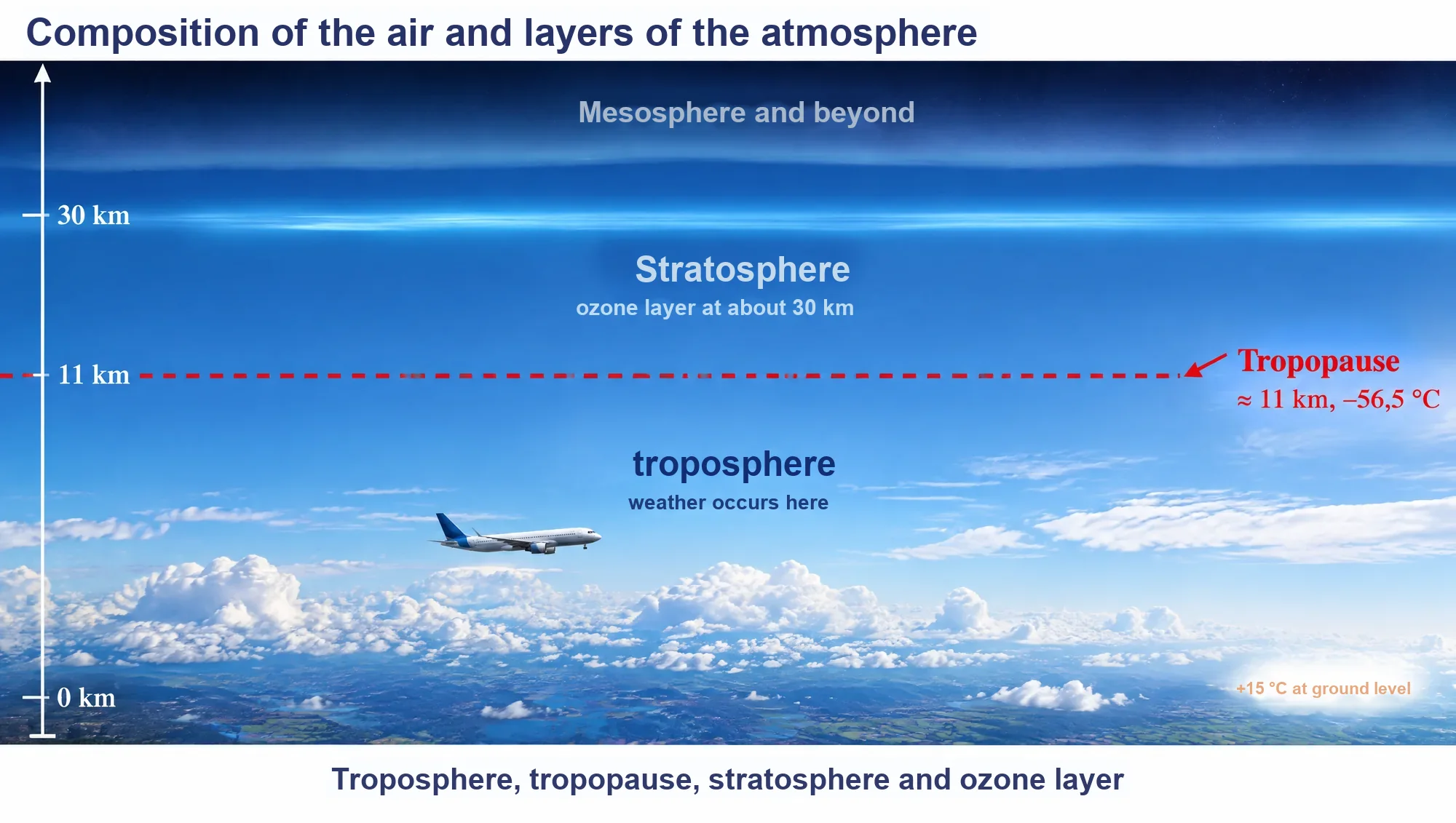
Composition of air and layers of the atmosphere
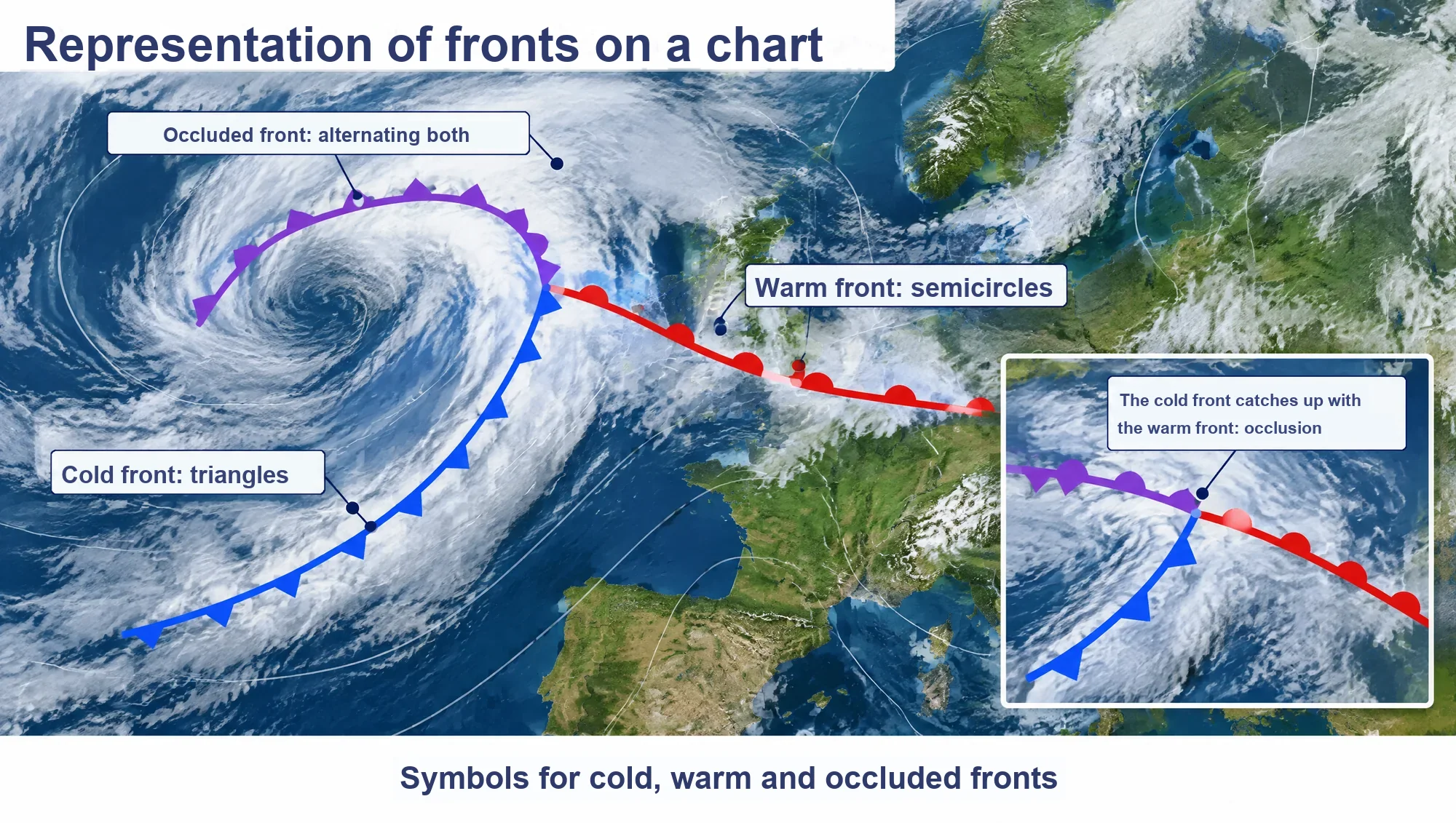
Representation of fronts on a chart
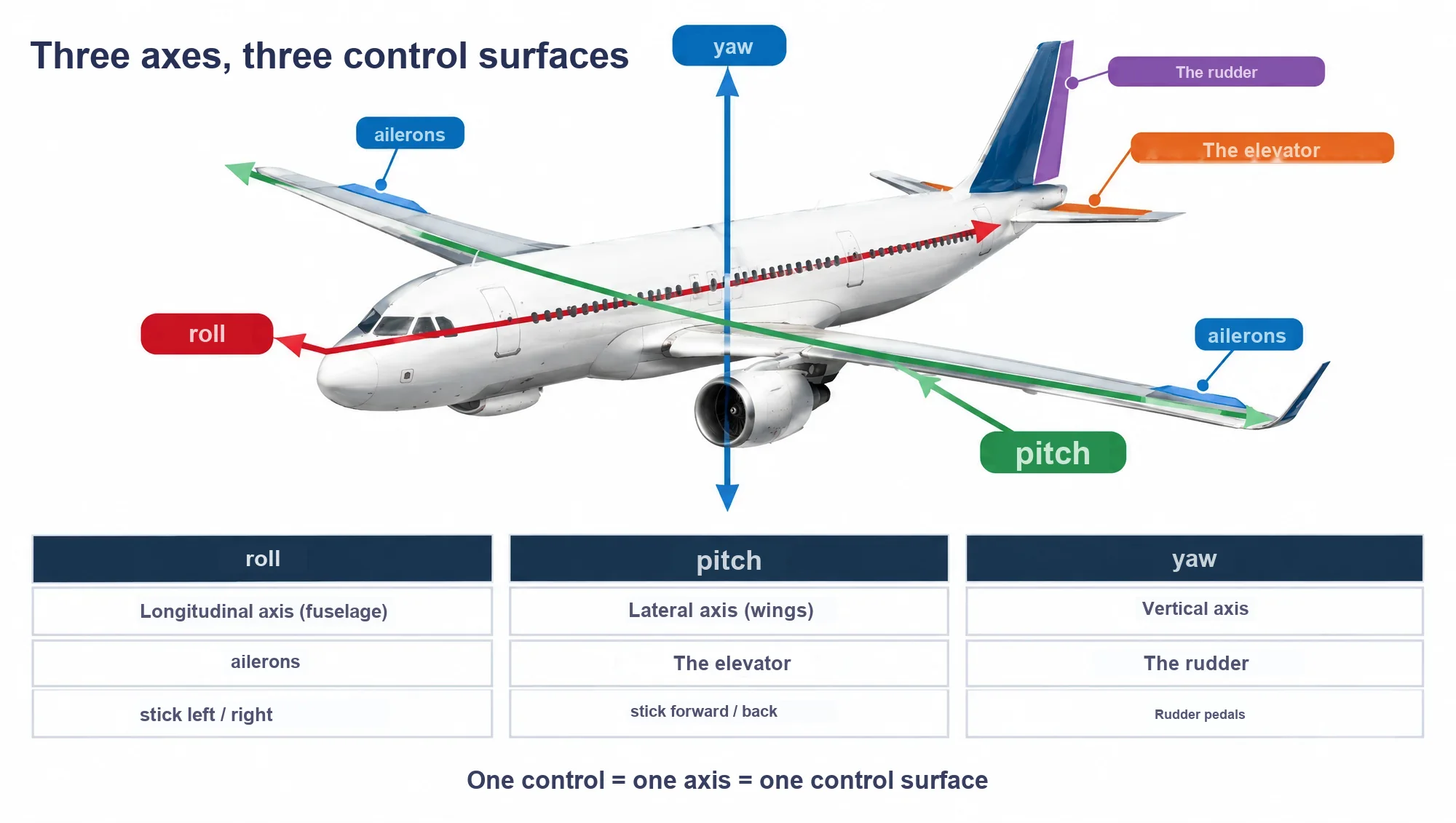
Three axes, three control surfaces
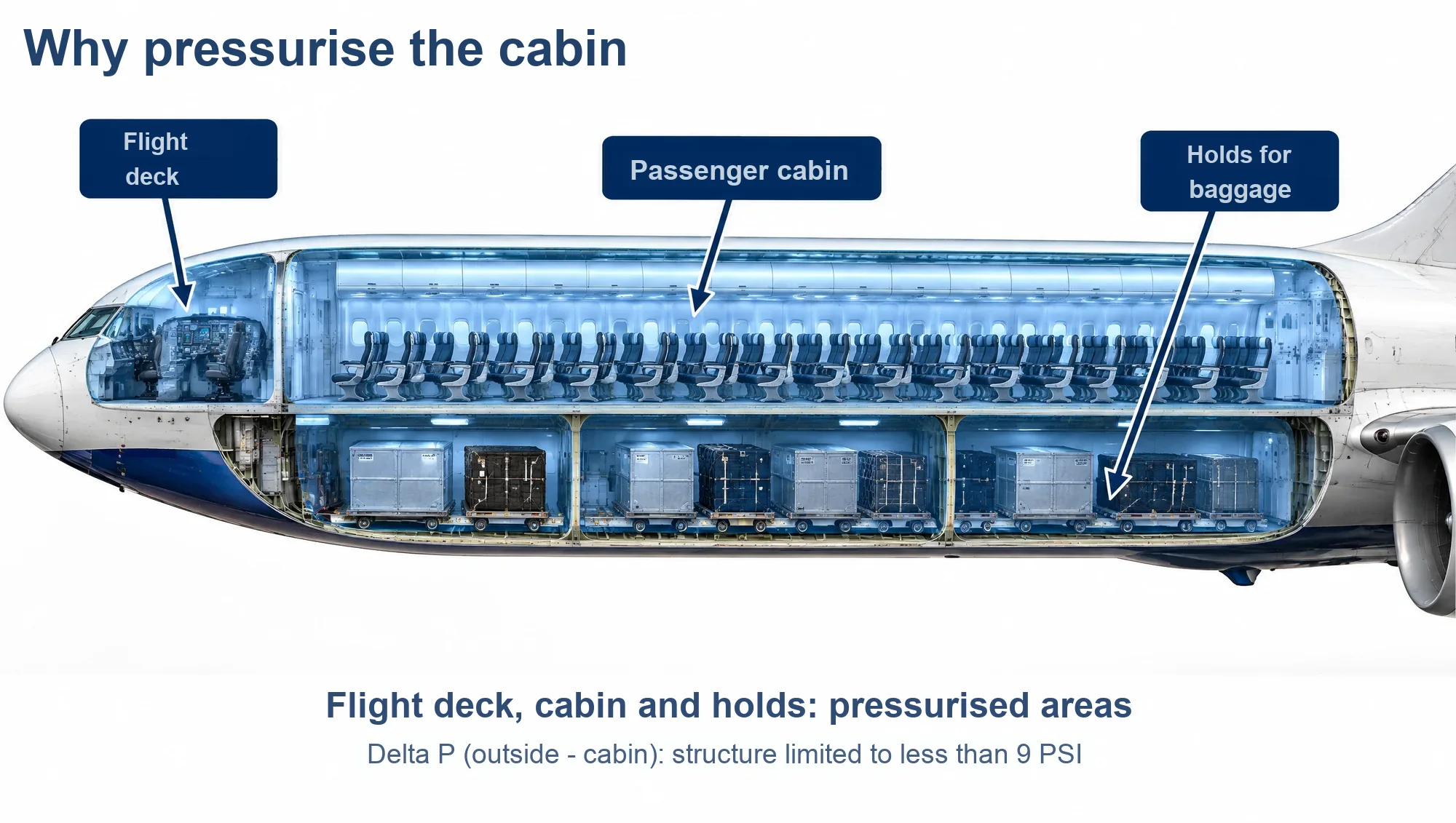
Why the cabin is pressurised
Aviation Communication
This module covers the common language and terminology of aviation (phonetic alphabet, phraseology), the principles of communication and the barriers to it, then the technical means (interphone, PA, megaphone, light signals) and cabin crew communication with pilots, passengers and ground staff. The course moves from the general to the practical.
13 chapters · 53 sheets · 289 questions
The Aviation Communication module →- 1.Common language and standardised terminology
- 2.Phonetic alphabet and numbers
- 3.Phraseology words and verification
- 4.Principles of verbal and non-verbal communication
- 5.Types of communication and the feedback loop
- 6.Barriers to communication and tools
- 7.Communication between cabin crew
- 8.Crew interphone and Public Address (PA) system
- 9.The megaphone
- 10.Lighting signs and chimes
- 11.Cockpit-cabin communication
- 12.Cabin crew-passenger communication
- 13.Communication between cabin crew and ground staff
Human Factors
This course covers human factors in aviation: capabilities and limitations, memory and decision-making, stress, fatigue, error and TEM, the SHELL model, communication and leadership. It ends with accident case studies. Each chapter is a series of sheets, followed by the question-bank questions it explains.
14 chapters · 76 sheets · 334 questions
The Human Factors module →- 1.Human factors and CRM
- 2.Human capabilities, limitations and perception
- 3.Memory, learning and reasoning
- 4.Situational awareness and decision-making
- 5.Knowing yourself, being assertive, daring to speak up
- 6.Stress and stress management
- 7.Fatigue, sleep and biological rhythms
- 8.Alertness and fatigue management
- 9.Human error and reliability
- 10.TEM and Reason's model (Swiss cheese)
- 11.The SHELL model
- 12.Communication
- 13.Leadership, teams and conflicts
- 14.Accident case studies
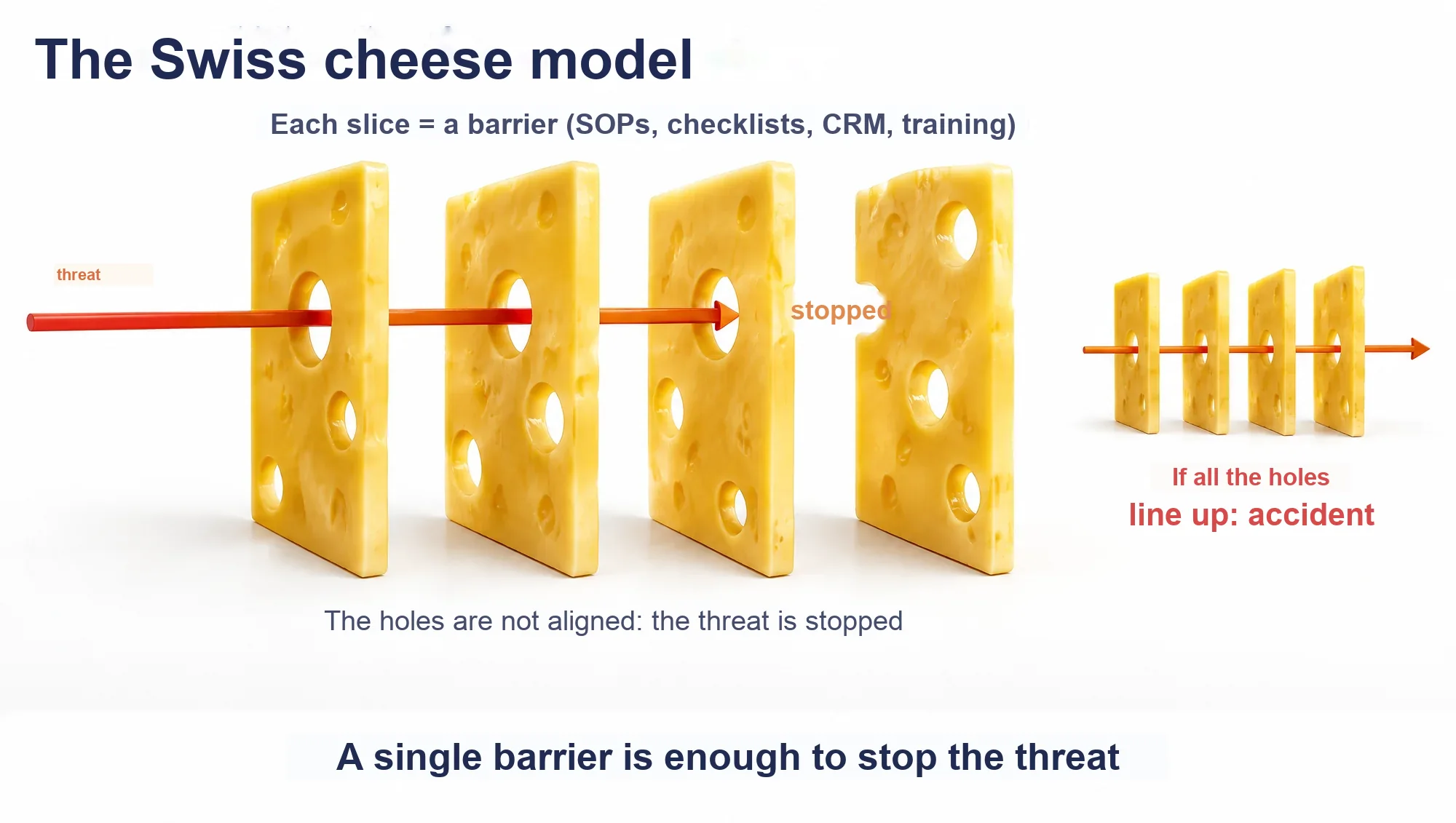
The Swiss cheese model
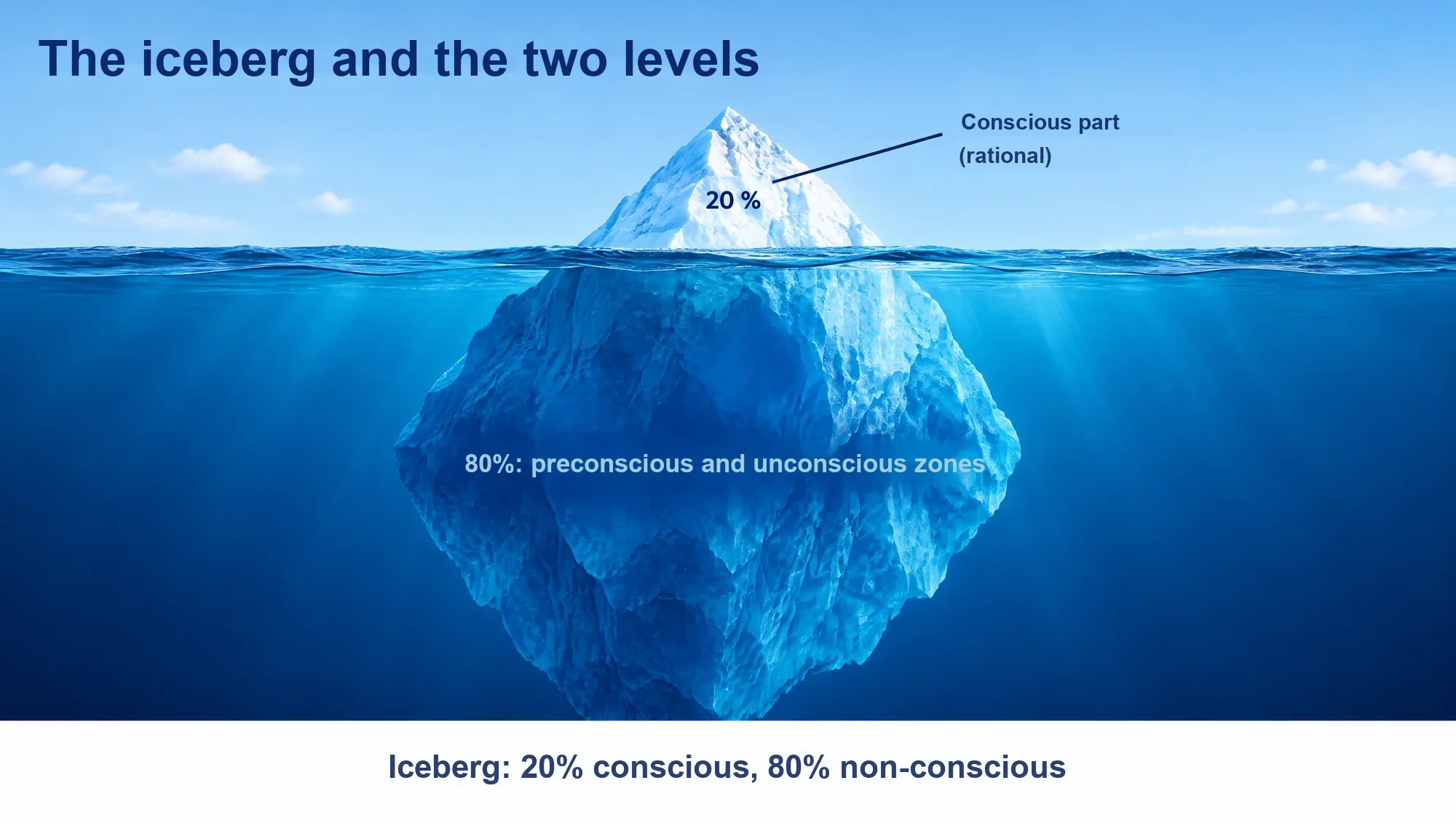
The iceberg and the two levels
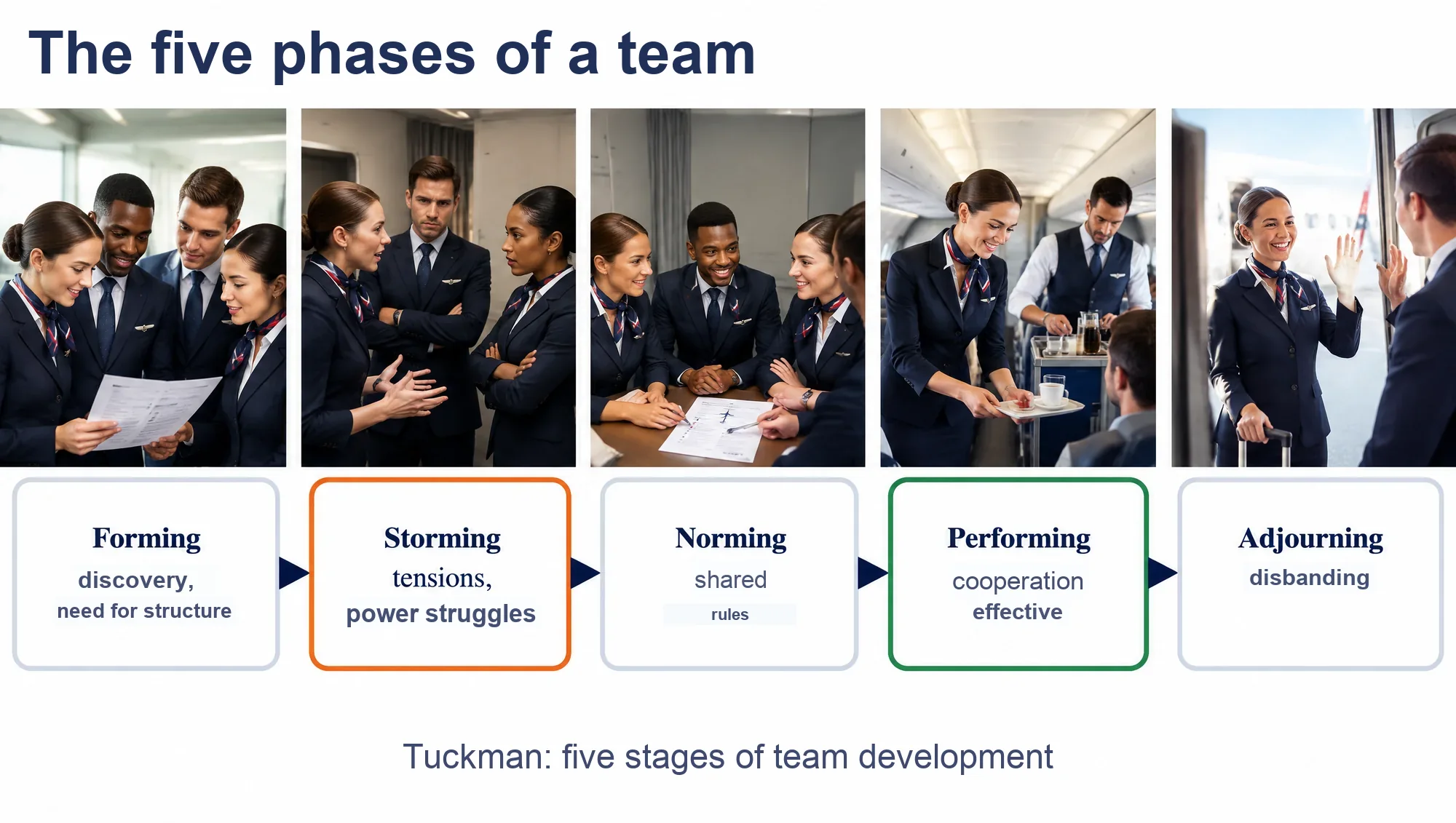
The five phases of a team
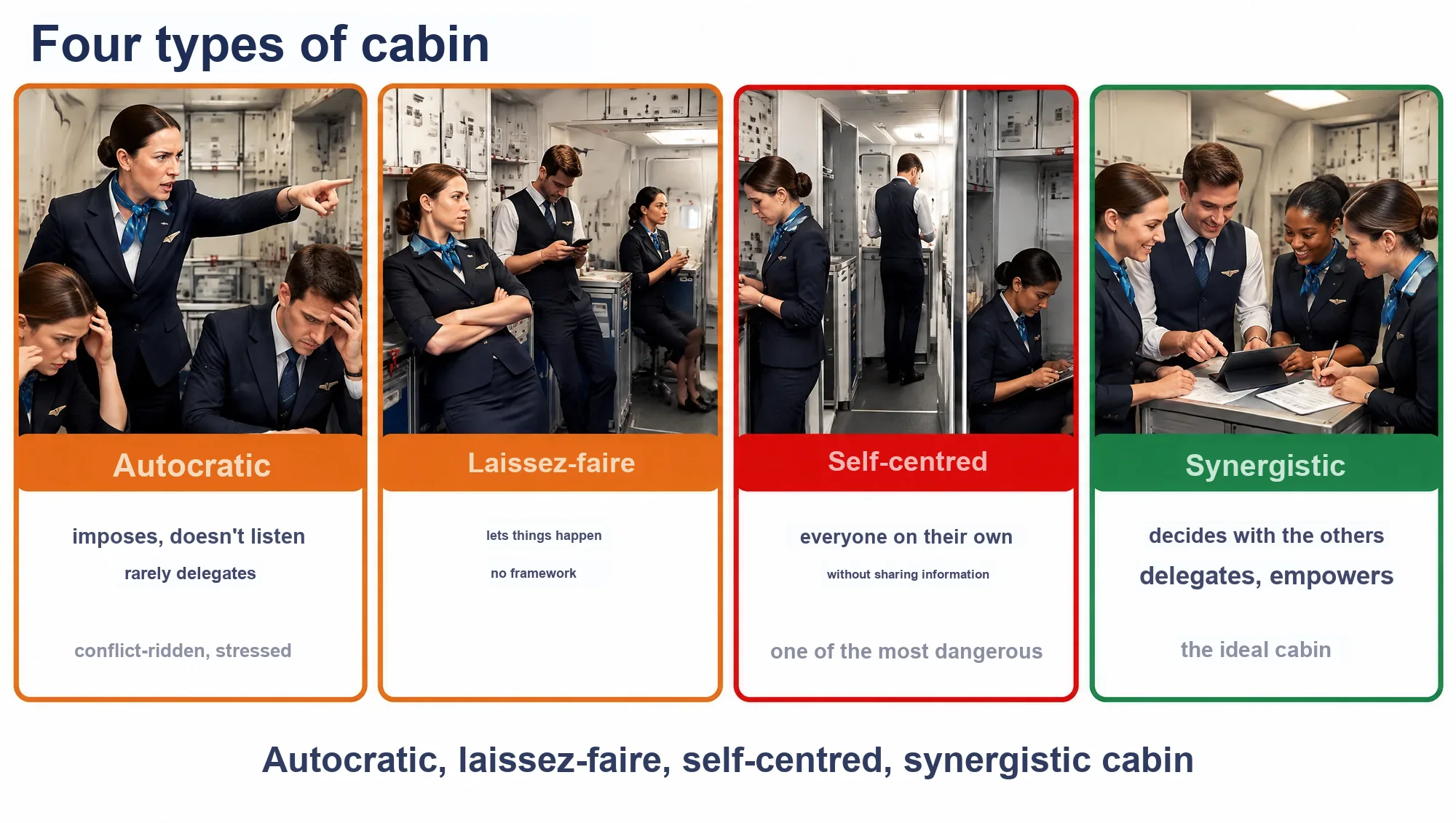
Four types of cabin
Passenger Management and Cabin Monitoring
This module covers passenger management (PMR, children, animals, disruptive passengers), cabin configuration and crew complement, and then emergency situations: rejected take-off, forced landing and evacuation. The course follows the order of a flight, from the mass calculation to evacuation.
13 chapters · 40 sheets · 168 questions
The Passenger Management and Cabin Monitoring module →- 1.Mass and Balance
- 2.Passengers with Reduced Mobility
- 3.Children, Infants and Restraint Devices
- 4.Seating Passengers near Exits
- 5.Seating Configuration and Cabin Crew Complement
- 6.Cabin Baggage and Galleys
- 7.Alcohol, drugs, disruptive passengers and panic
- 8.Animals on board
- 9.Turbulence
- 10.The able-bodied passenger and type III or IV exits
- 11.The rejected take-off
- 12.Prepared forced landing
- 13.Emergency evacuation
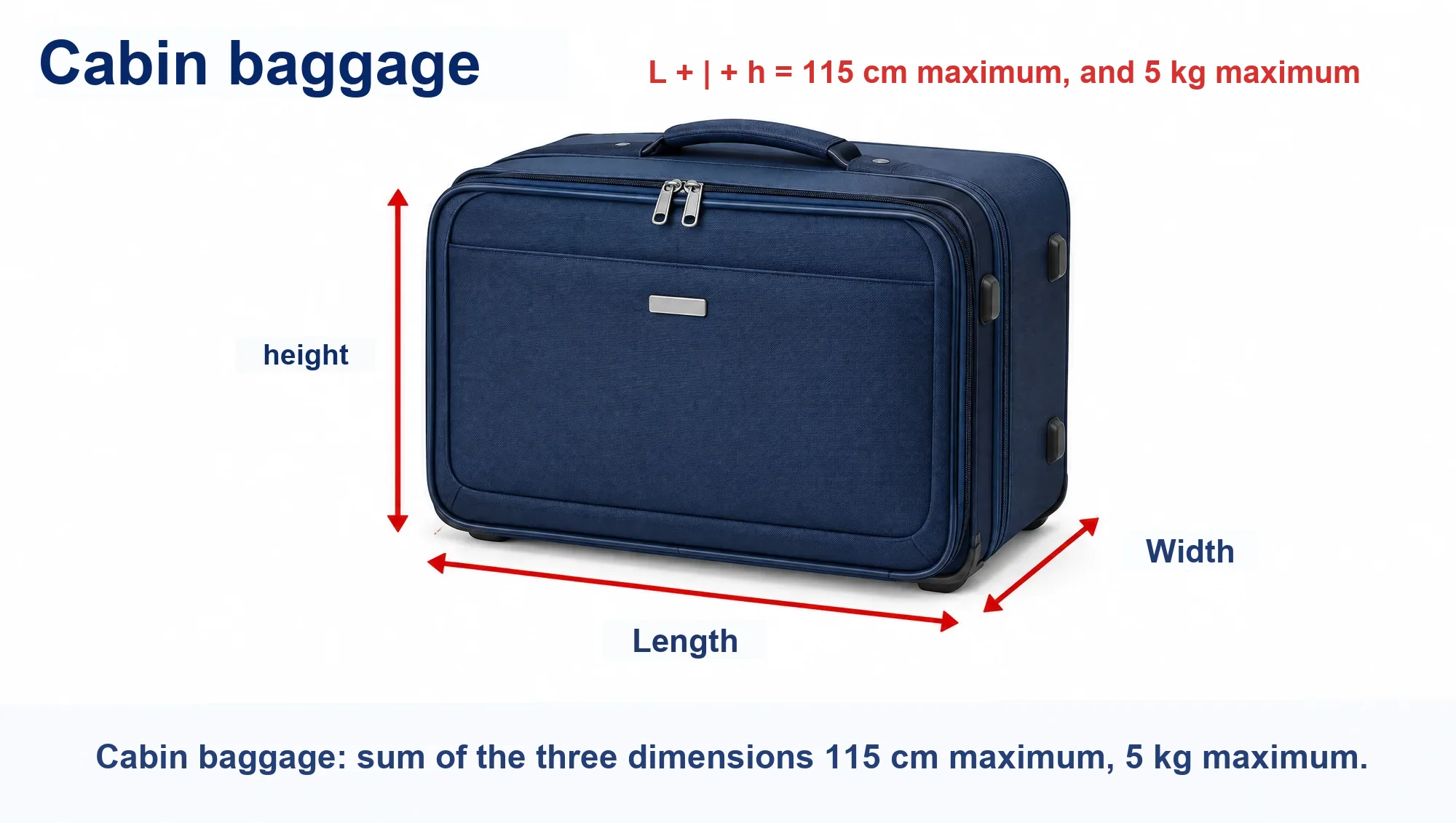
Cabin baggage
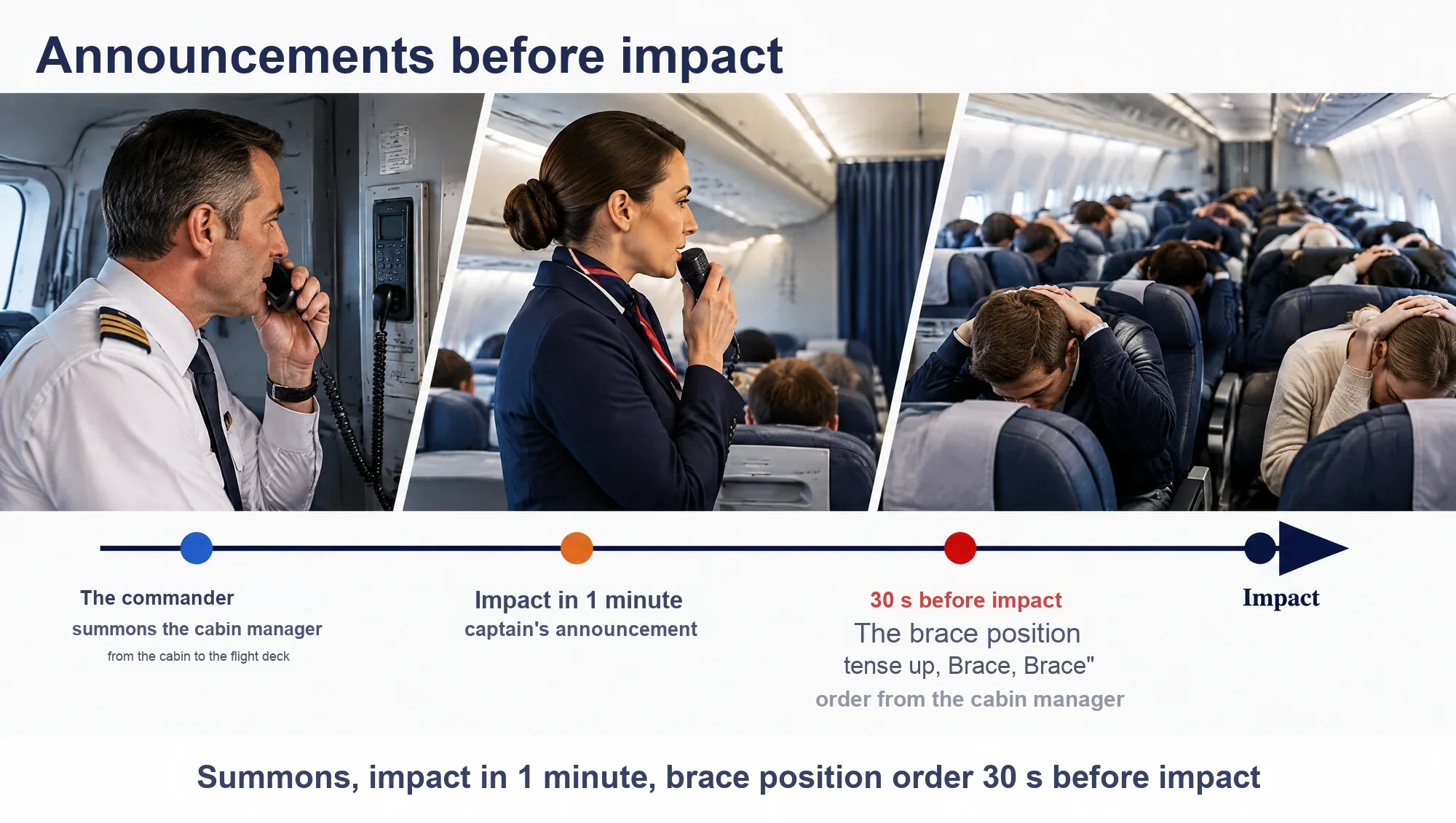
Announcements before impact
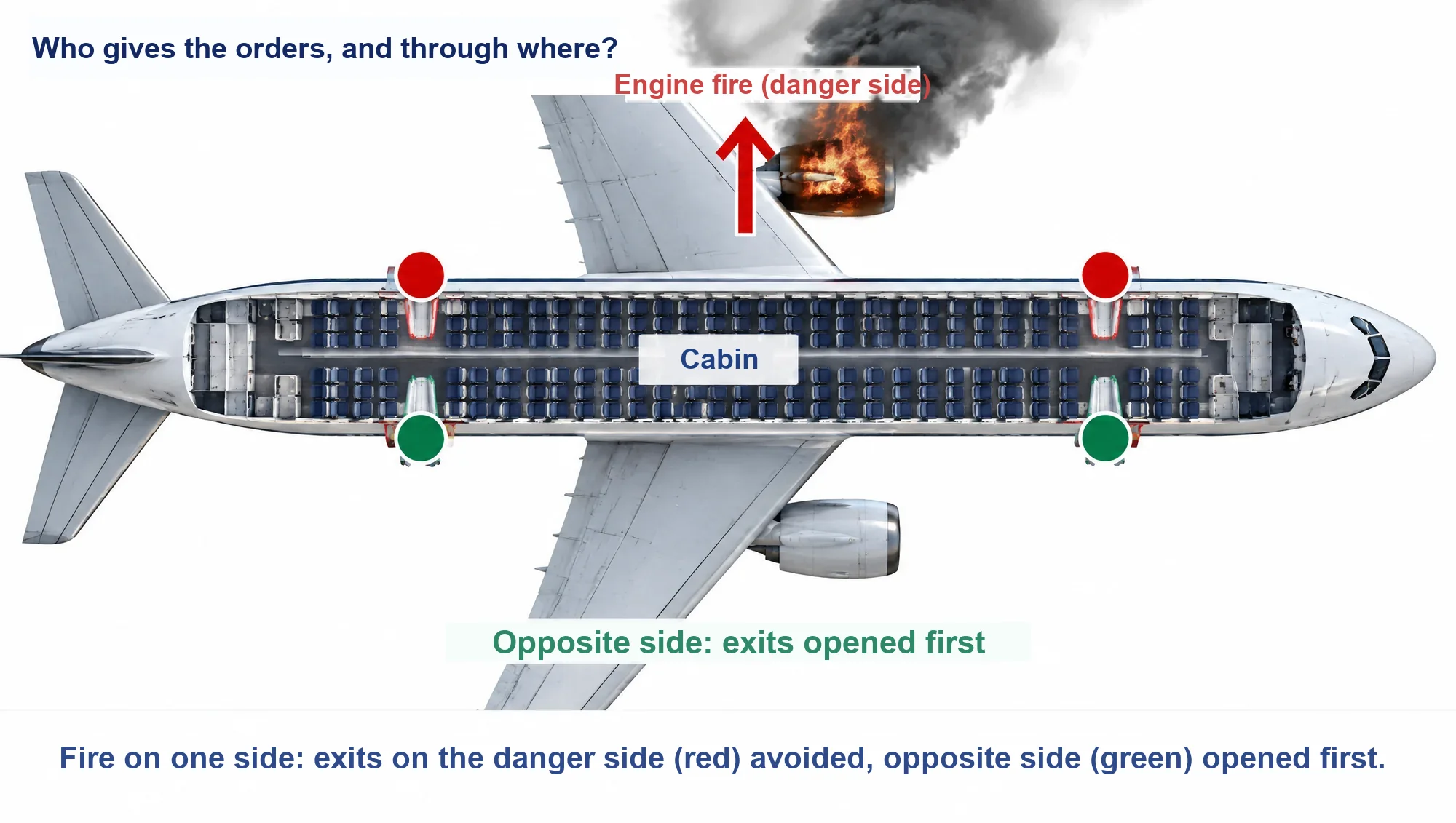
Who gives the order and through which exits?
Aeromedical & First Aid
This module covers first aid on board (assessment, resuscitation, AED, choking relief, recovery position, haemorrhage, burns, fractures), oxygen and the medical kit, major medical emergencies, hygiene and travel-related illnesses, and flight physiology. Each chapter alternates short sheets with the questions from the question bank that they explain.
16 chapters · 112 sheets · 1083 questions
The Aeromedical & First Aid module →- 1.Chain of assistance and passenger assessment
- 2.Human anatomy and physiology
- 3.Cardiac arrest and adult CPR
- 4.The automated external defibrillator (AED/DSA)
- 5.CPR for children and infants
- 6.Airway obstruction
- 7.Unconscious passenger: extraction, airway and recovery position
- 8.Haemorrhages, pressure dressing and tourniquet
- 9.Burns, wounds and foreign bodies
- 10.Bandages and triangular bandage wraps
- 11.Fractures, immobilisation and trauma
- 12.Onboard oxygen and first aid kit
- 13.Feeling unwell, and cardiac, neurological and respiratory emergencies
- 14.Diabetes, abdominal emergencies, pregnancy, shock, coma and death
- 15.Hygiene, infectious diseases and vaccines
- 16.Flight physiology, environment and behaviour
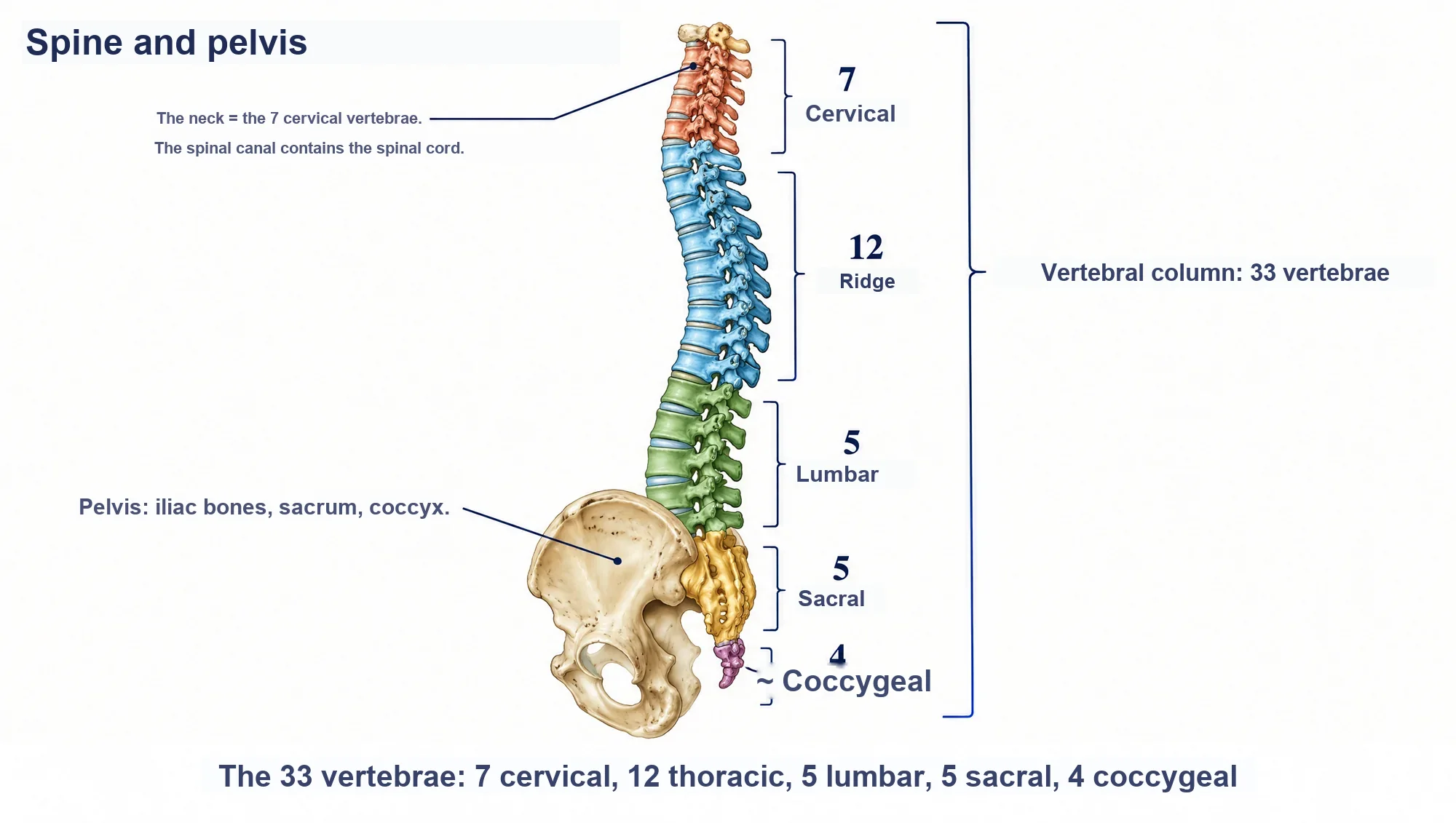
Spine and pelvis
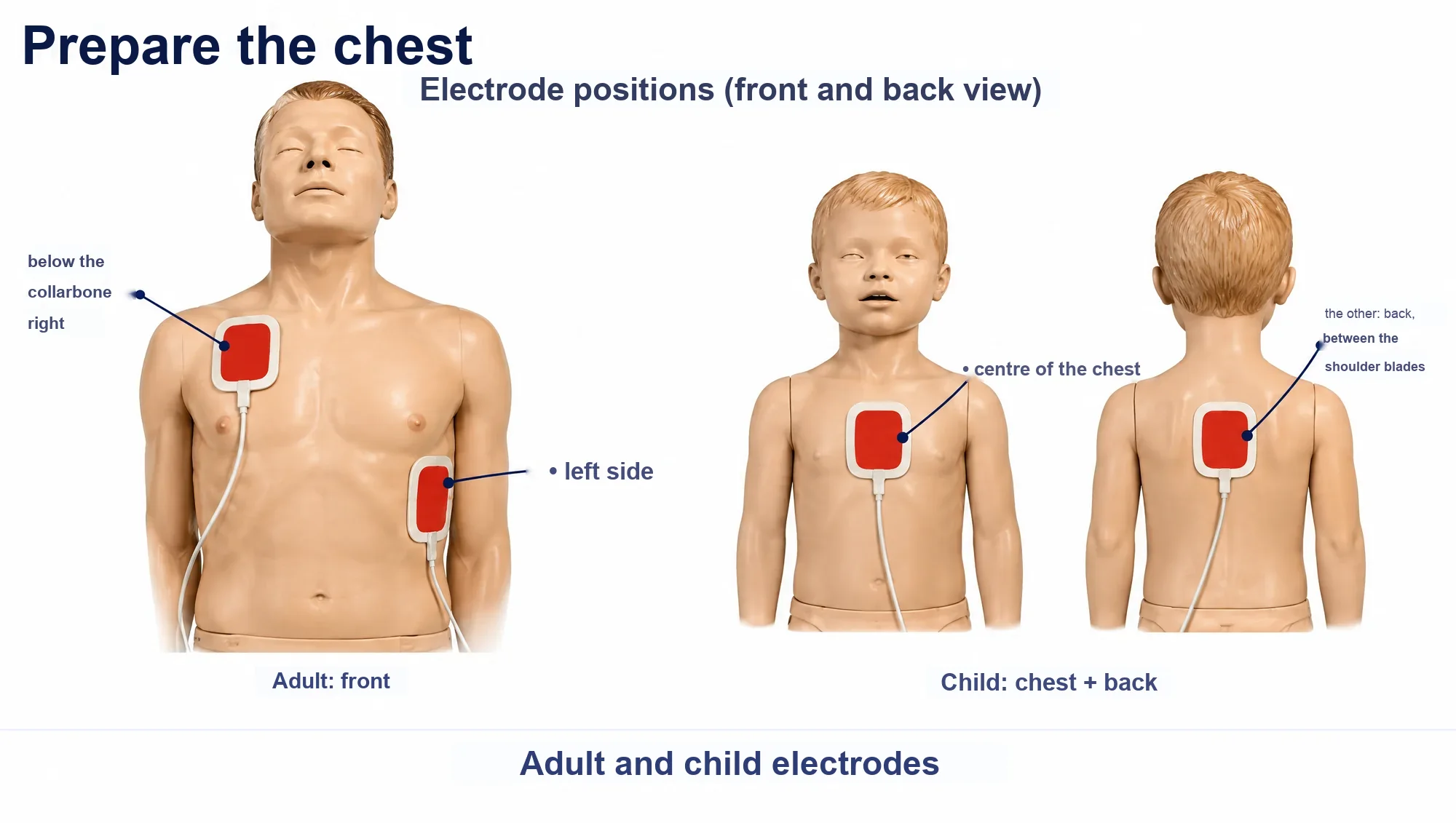
Preparing the chest
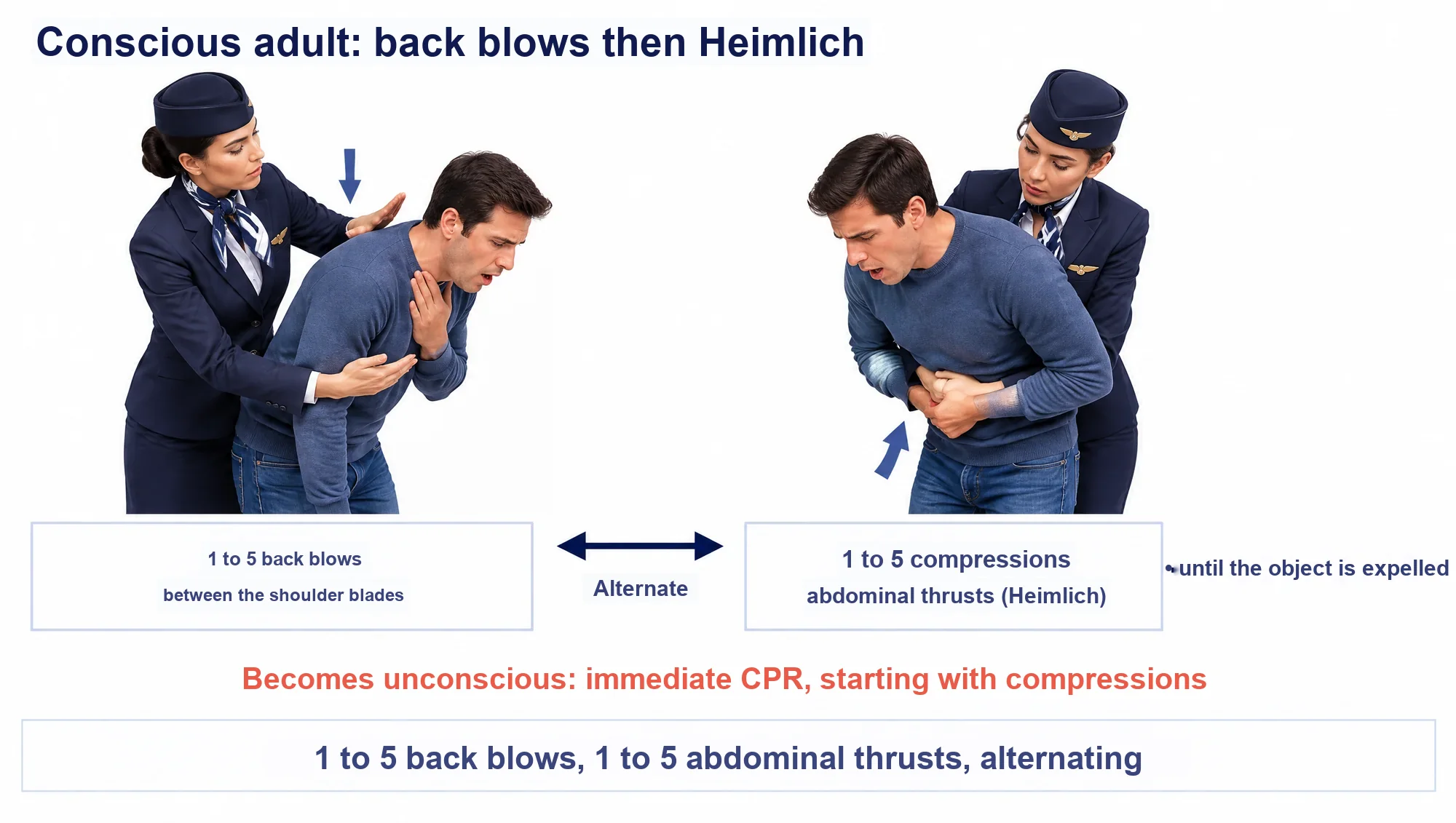
Conscious adult: back blows then Heimlich
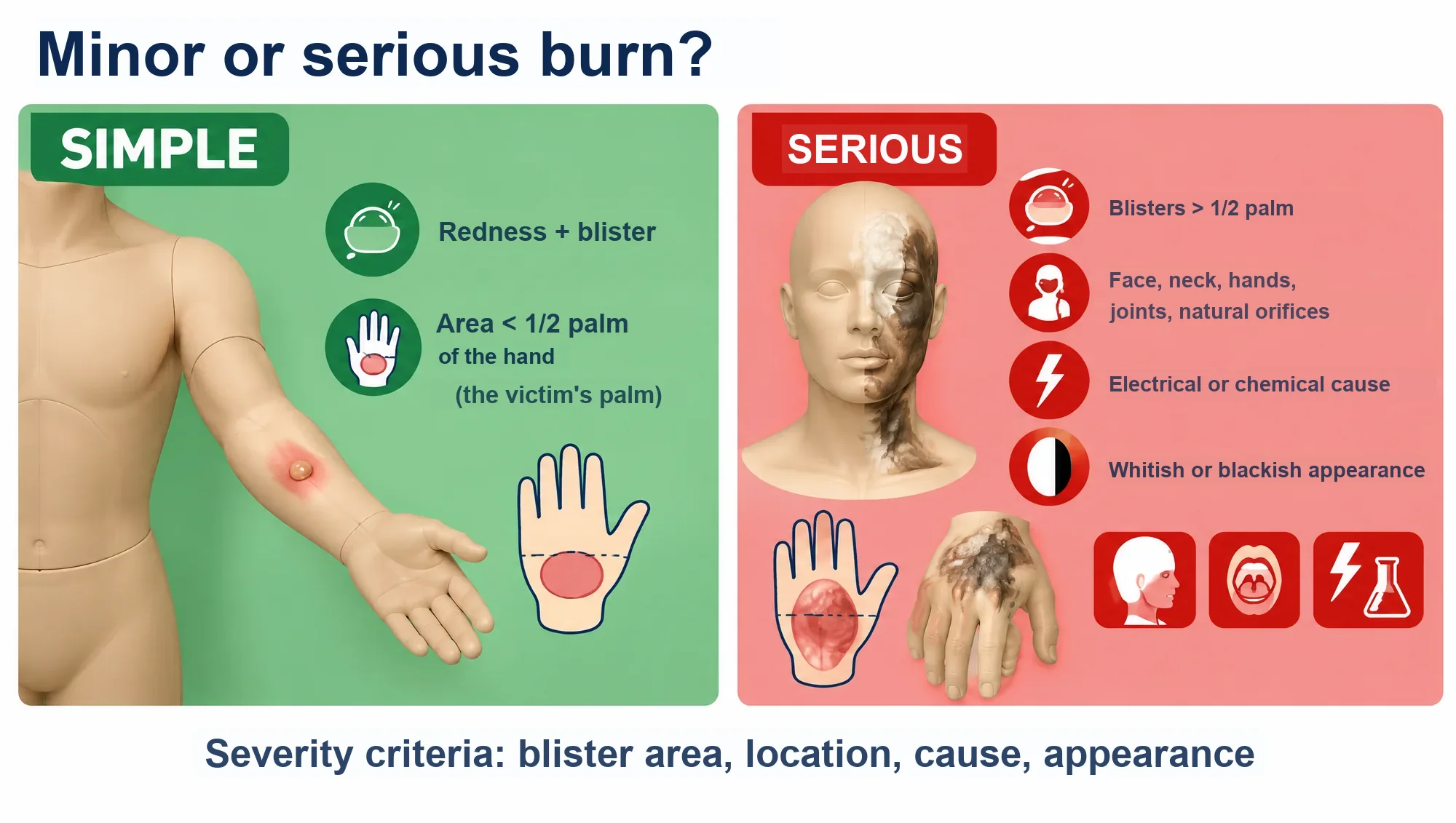
Minor or serious burn
Dangerous Goods
This course covers the air transport of dangerous goods: principles, the nine hazard classes, the limits in Table 2.3.A, lithium batteries, items prohibited in baggage, hidden dangerous goods, marking and cabin emergency procedures. Each chapter is a series of sheets, followed by the question-bank questions it explains.
11 chapters · 52 sheets · 293 questions
The Dangerous Goods module →- 1.Principles and regulations
- 2.The nine hazard classes
- 3.Classification criteria and details
- 4.Table 2.3.A: what the passenger may carry
- 5.Lithium batteries, batteries and wheelchairs
- 6.Ammunition, weapons and explosive articles
- 7.What is forbidden in passenger baggage
- 8.Hidden dangerous goods
- 9.Marking, labelling and documents
- 10.Sales, check-in and passenger services
- 11.Emergency procedures
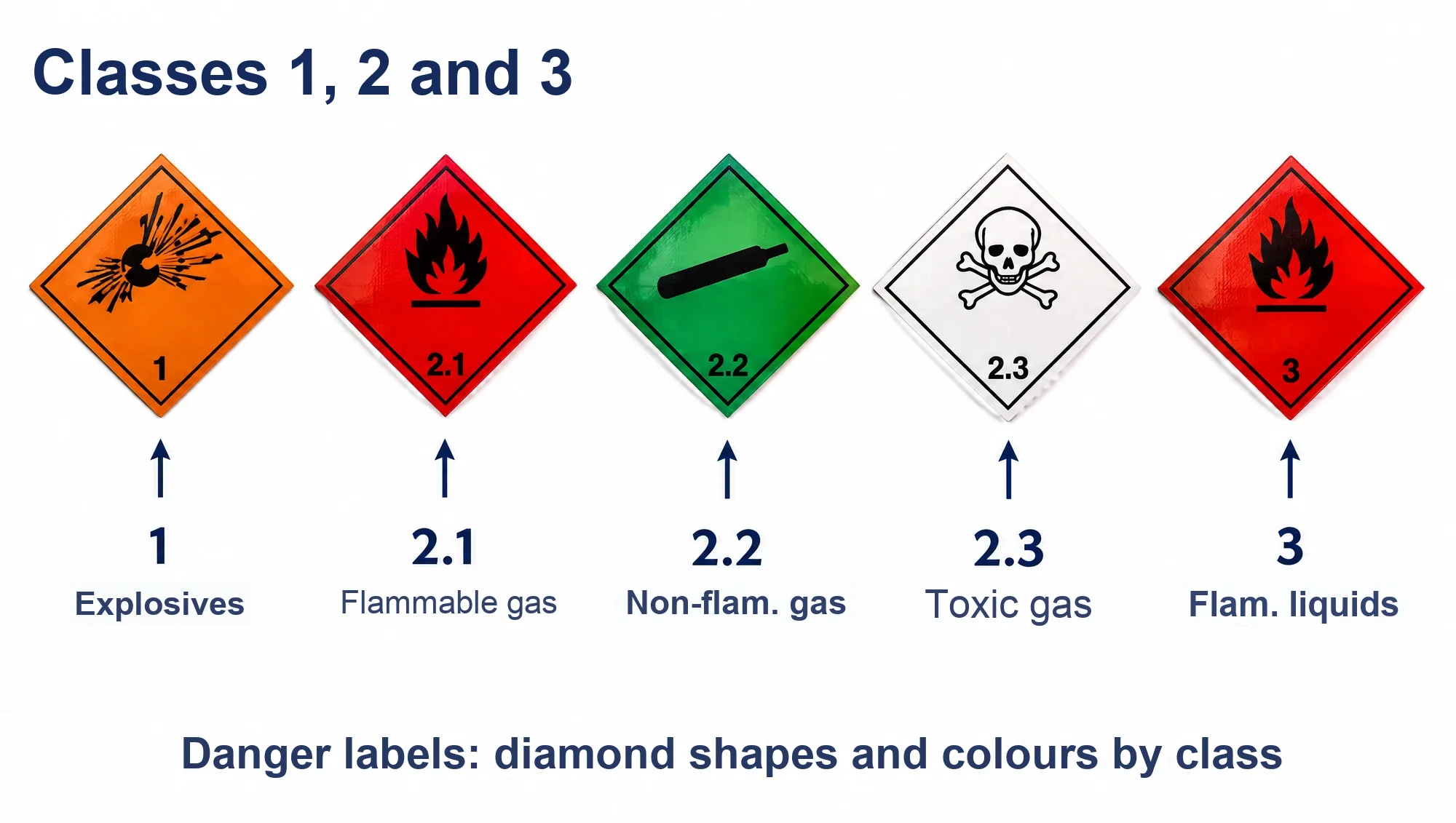
Classes 1, 2 and 3
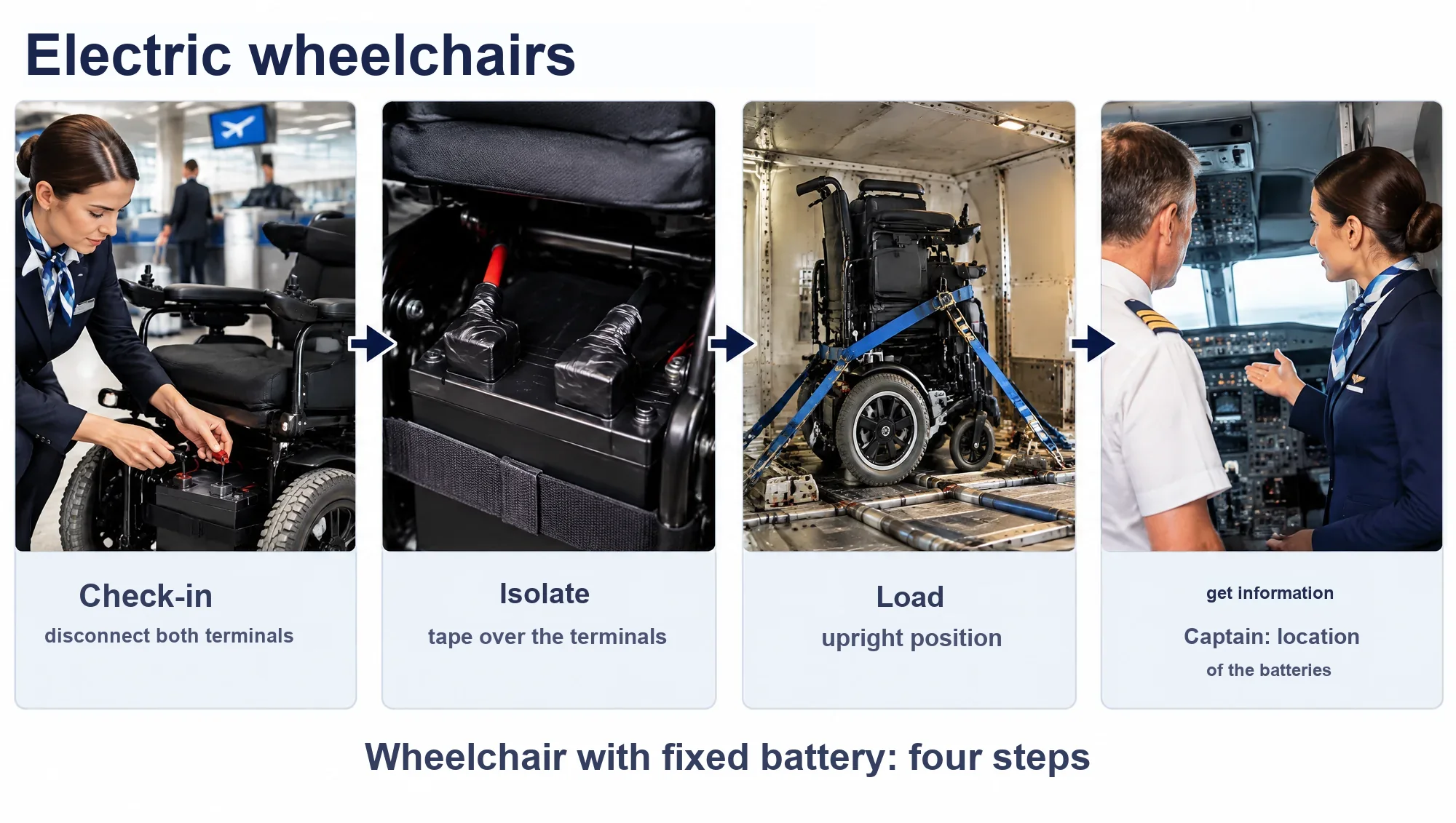
Electric wheelchairs
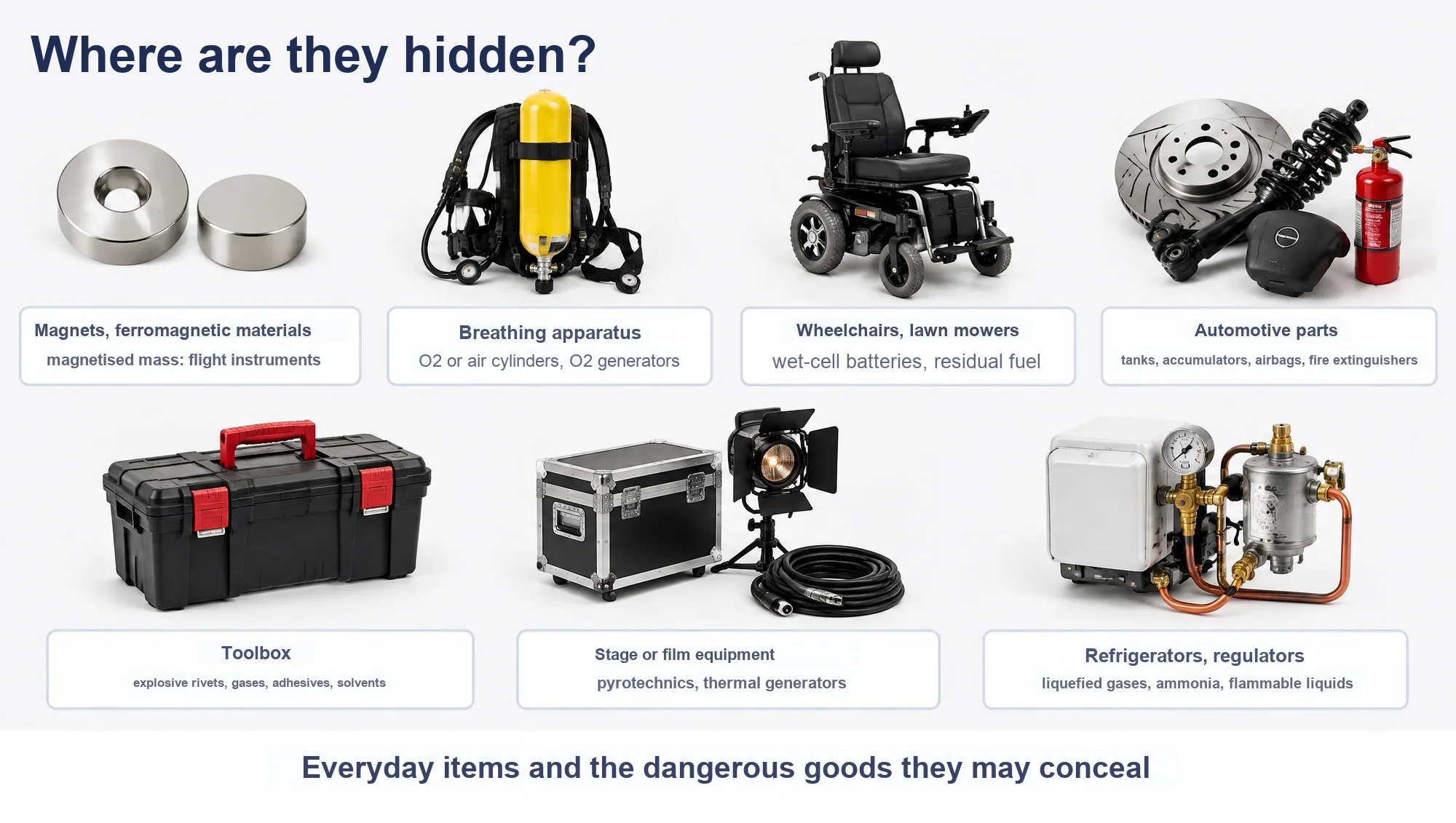
Where do they hide?
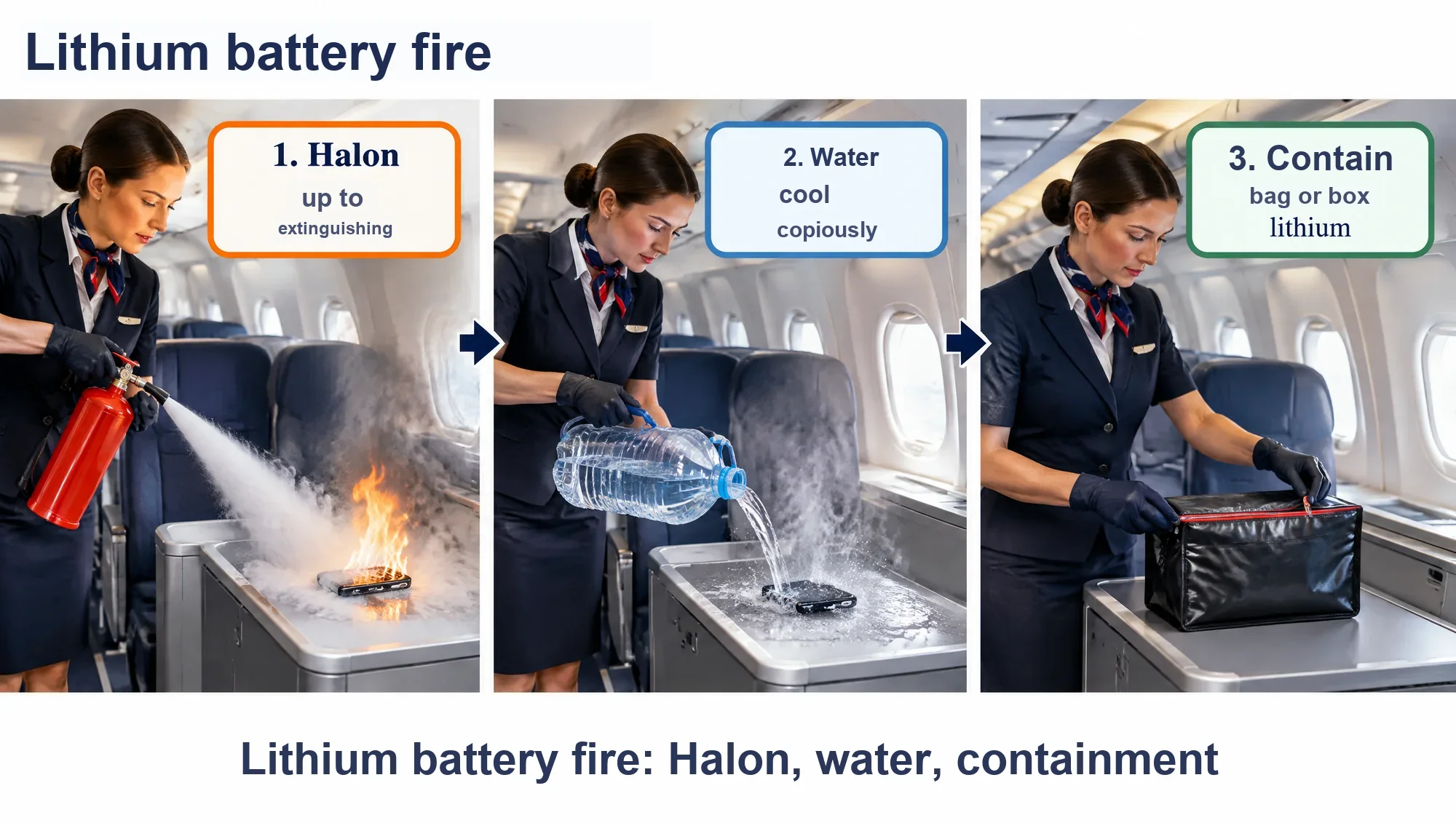
Lithium battery fire
Safety / Security
This module covers civil aviation security: regulatory framework, zones and access, screening, baggage, cargo, supplies, aircraft, flight, personnel and equipment. Each chapter is a series of sheets, followed by the questions from the question bank that it explains.
14 chapters · 68 sheets · 314 questions
The Safety / Security module →- 1.Security and safety: two concepts not to be confused
- 2.Historical landmarks in aviation security
- 3.Regulatory framework, stakeholders and vocabulary
- 4.Airport zones, access and demarcated areas
- 5.Screening: passengers and cabin baggage
- 6.Liquids, aerosols and gels (LAG)
- 7.Hold baggage and reconciliation
- 8.Cargo, mail, COMAIL and COMAT
- 9.Aircraft supplies and airport supplies
- 10.Aircraft security: search, seals, checks
- 11.In-flight security: cockpit, cabin, threats
- 12.Suspicious packages, anonymous calls, explosion
- 13.Recruitment, security clearance and security training
- 14.Security equipment
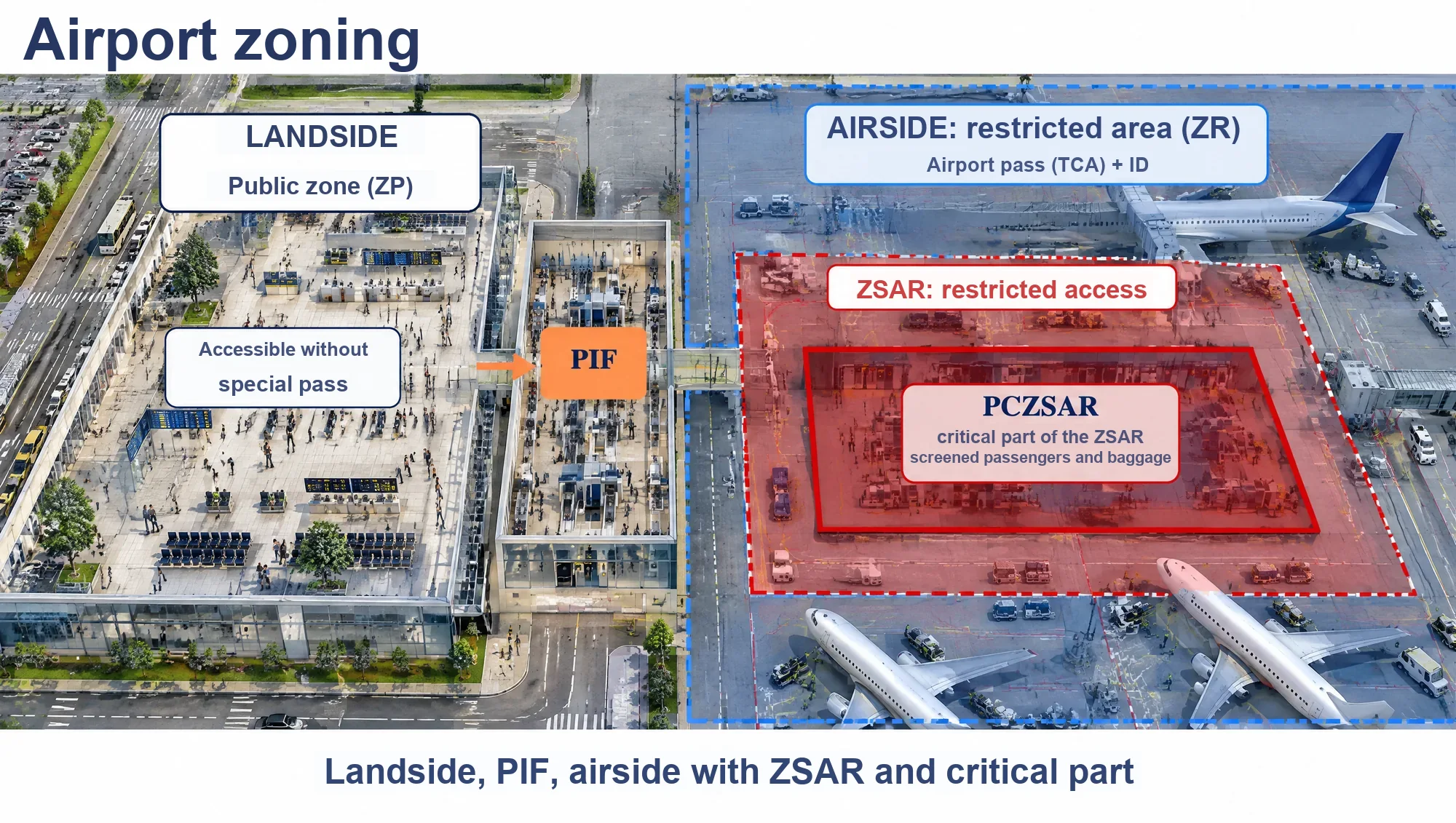
How the airport is divided
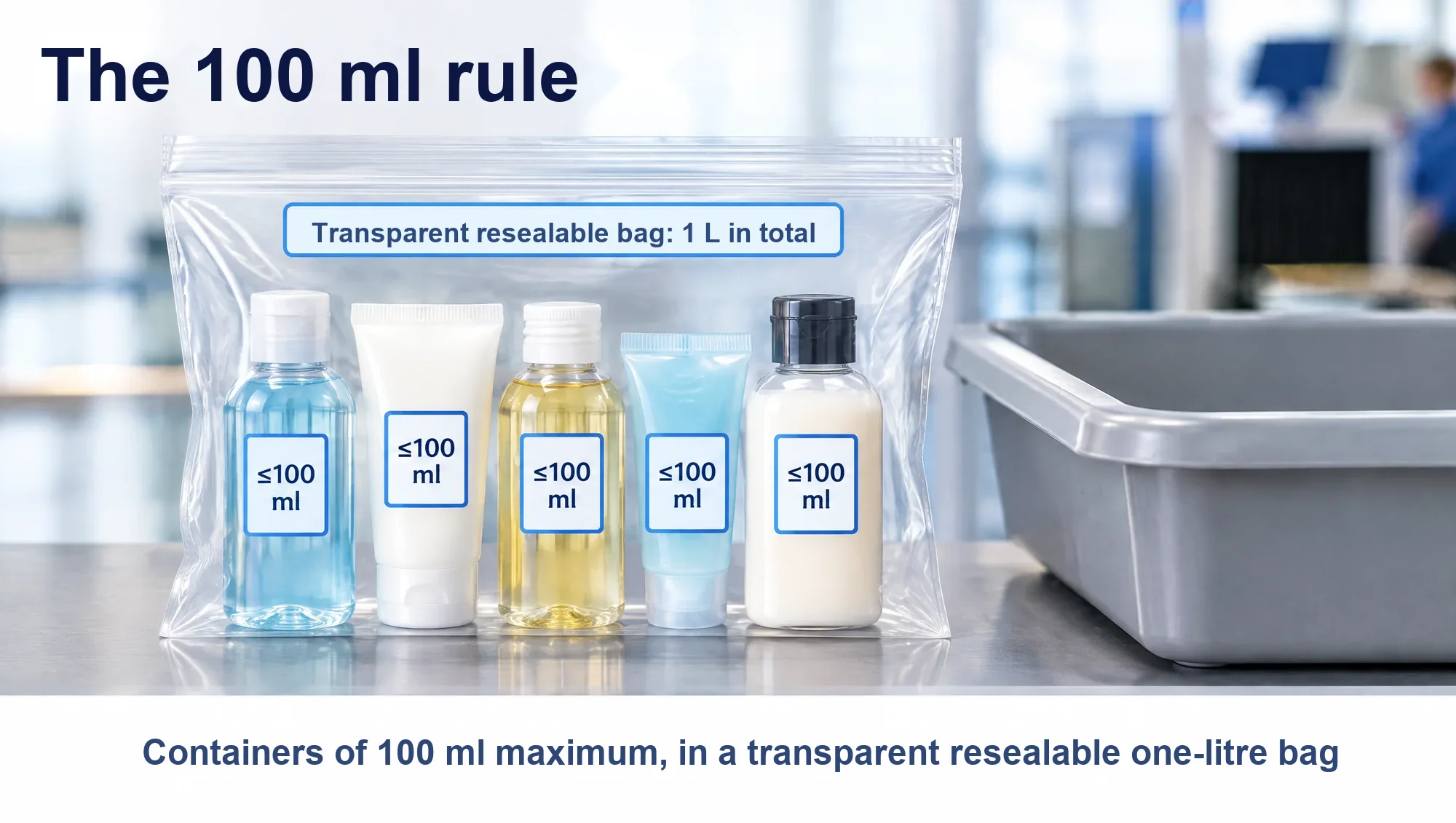
The 100 ml rule
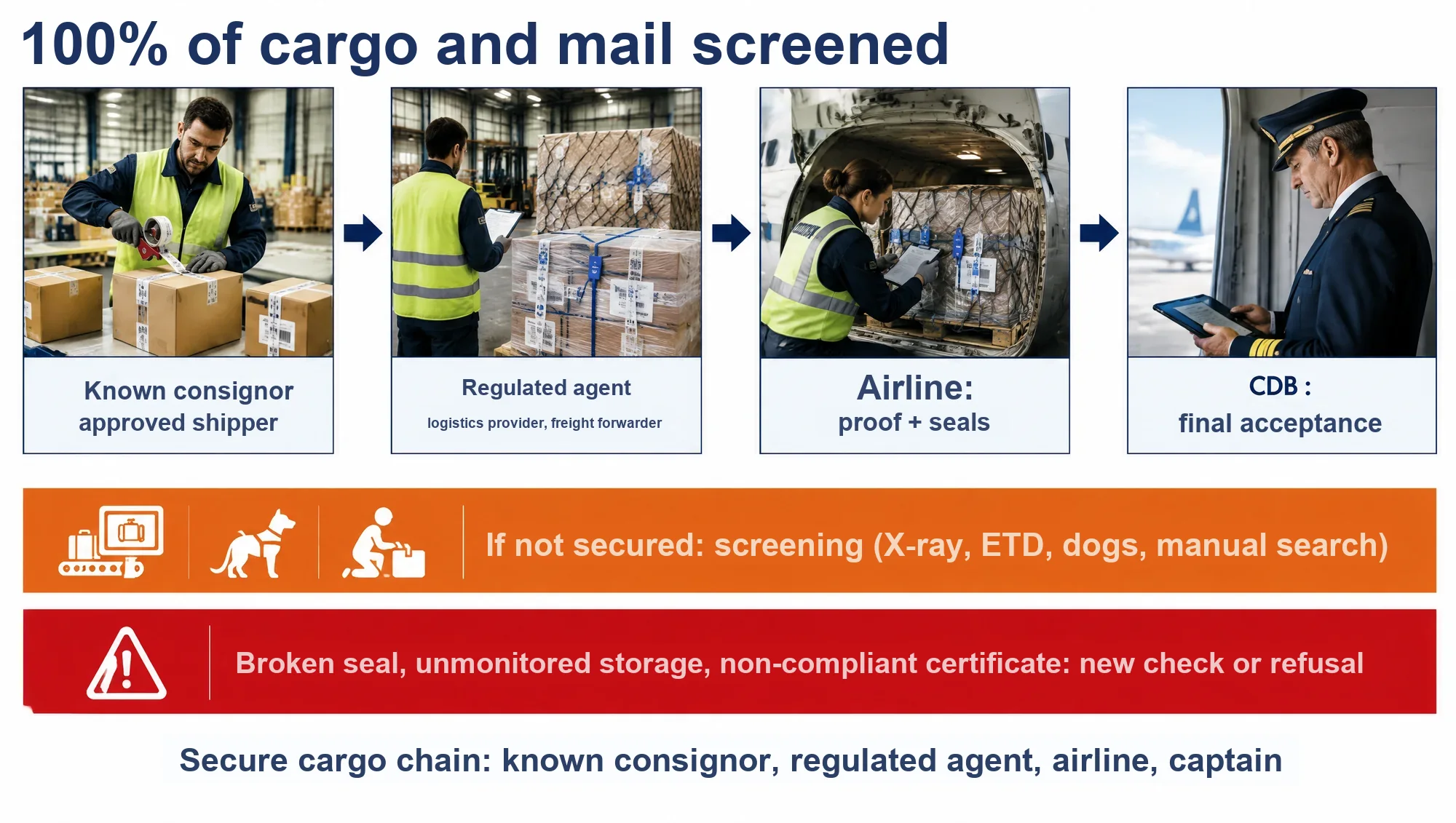
100% of cargo and mail screened
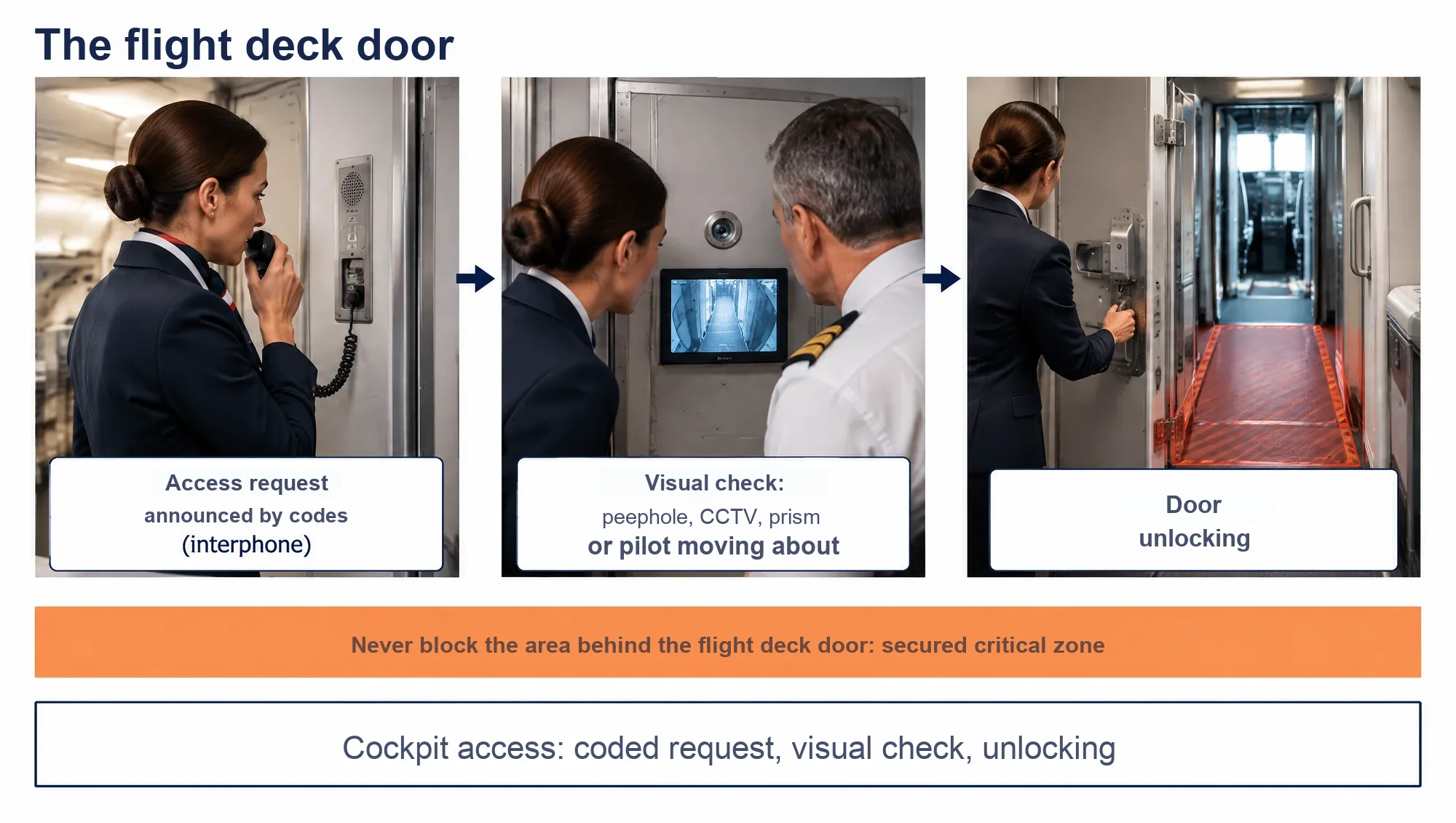
The flight deck door
Fire & smoke
This module covers fire and smoke fighting on board: fire, classes, agents, extinguishers, PBE, cabin procedures, coordination and airport rescue services. Each chapter is a series of sheets, followed by the questions from the question bank that it explains.
14 chapters · 52 sheets · 332 questions
The Fire & Smoke module →- 1.Fire: combustion, the triangle and spread
- 2.Causes of fire, smoke colour, prevention
- 3.Fire classes
- 4.Extinguishing agents
- 5.Portable on-board fire extinguishers
- 6.How many extinguishers, and where
- 7.Lavatories: automatic extinguishers and smoke detectors
- 8.Using an extinguisher
- 9.Axe and crowbar
- 10.PBE and personal protection
- 11.Procedures according to the situation
- 12.Alerting the cockpit and coordinating the team
- 13.Training and maintaining competence
- 14.Airport rescue services (SSLIA)
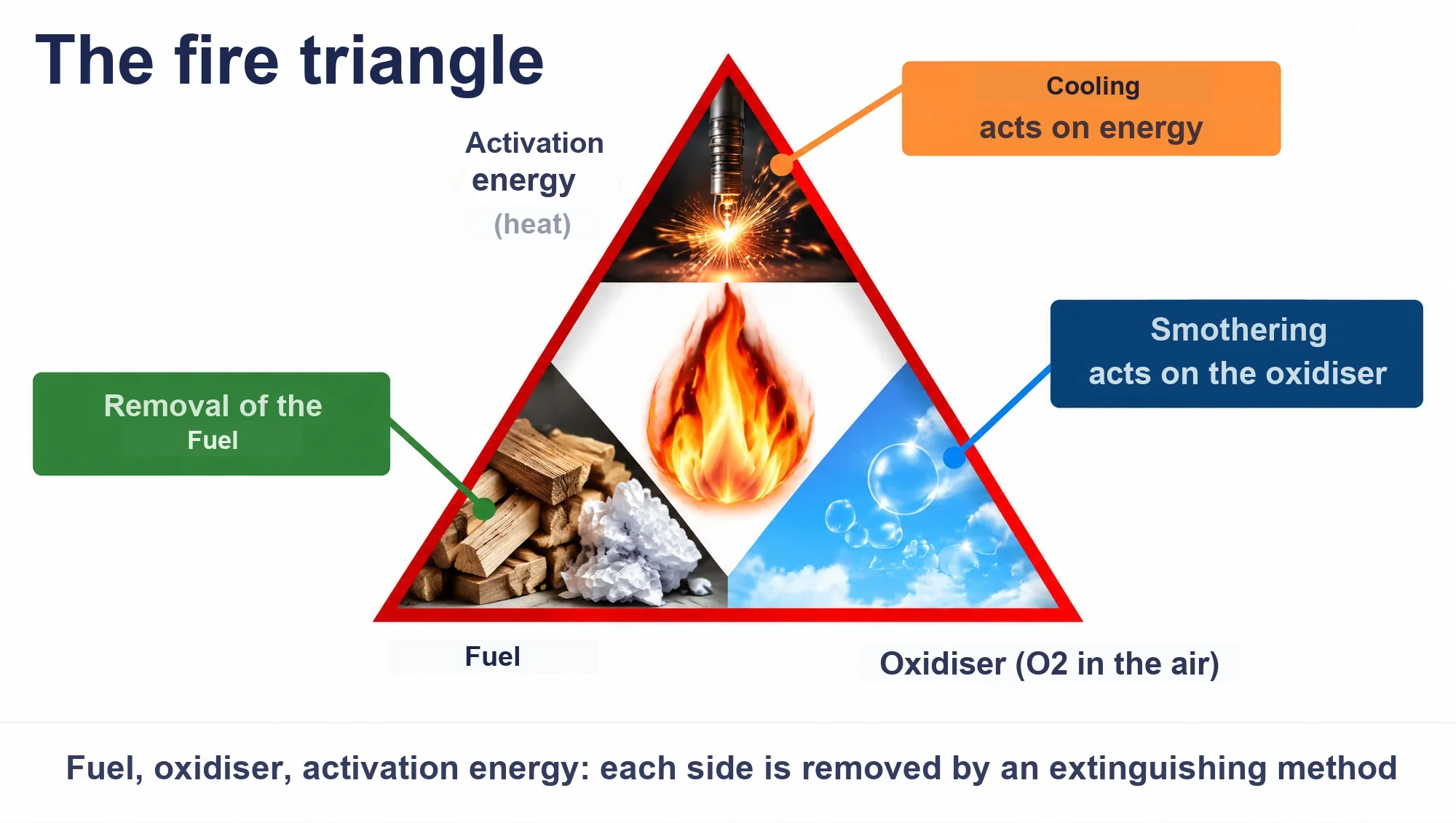
The fire triangle
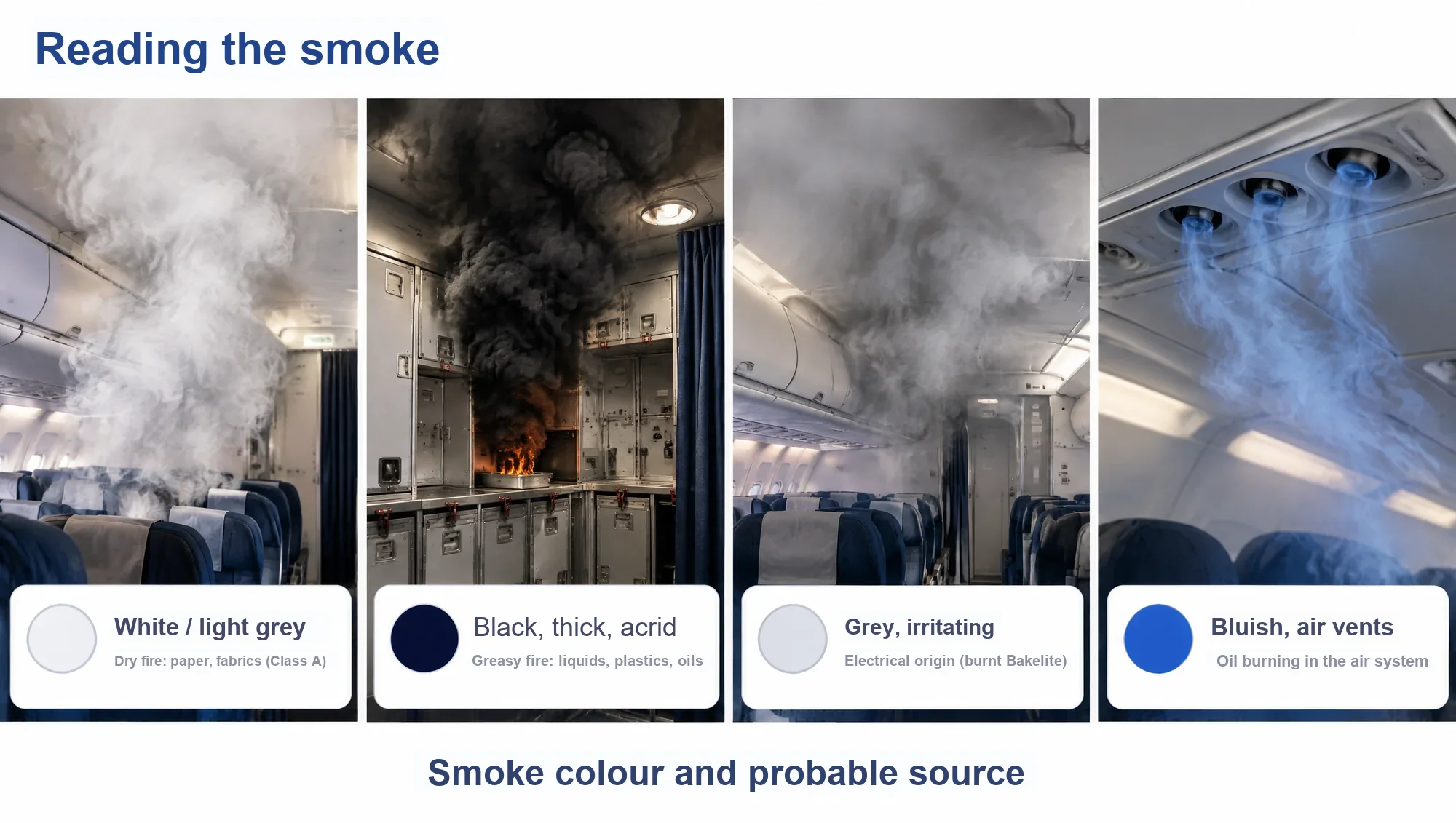
Reading the smoke
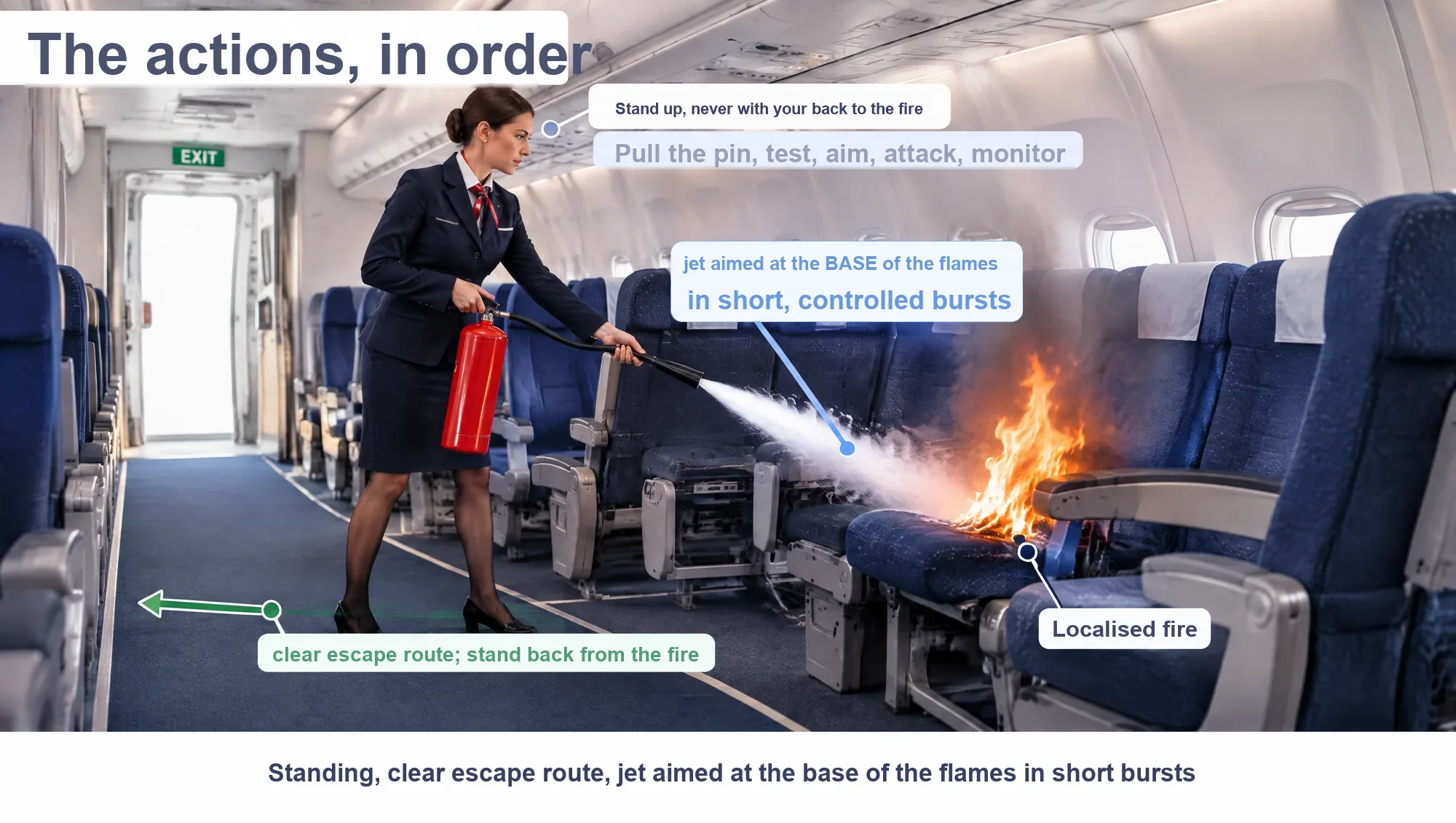
The actions, in order
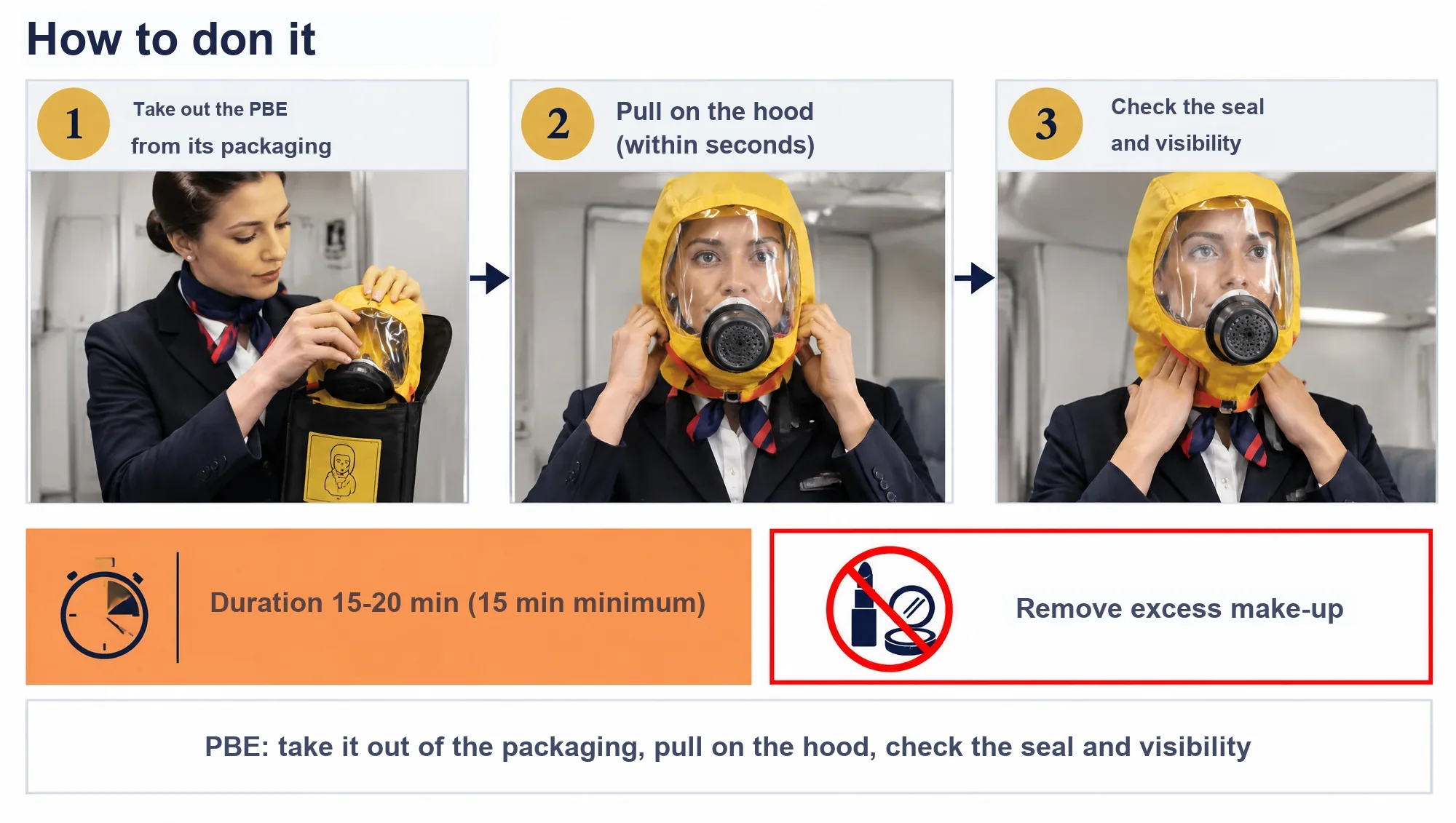
How to put it on
Survival training
This module covers survival after a forced landing or ditching: hostile environments, cold, water and food, survival kits, beacons and signalling, life jackets, evacuation onto the water, life rafts, then desert, equatorial and polar regions. Each chapter is a series of sheets, followed by the questions from the question bank that it explains.
13 chapters · 59 sheets · 328 questions
The Survival Training module →- 1.Hostile environments, aggressions and morale
- 2.Cold, immersion and hypothermia
- 3.Water, heat and food
- 4.Regulations and survival kits
- 5.Distress Beacons and COSPAS-SARSAT
- 6.Pyrotechnic and Visual Signalling
- 7.Life jackets and towing
- 8.Planned ditching
- 9.Unprepared ditching and evacuation
- 10.Rafts, boarding and life at sea
- 11.Survival in a desert region
- 12.Survival in equatorial regions
- 13.Survival in polar regions and high mountains
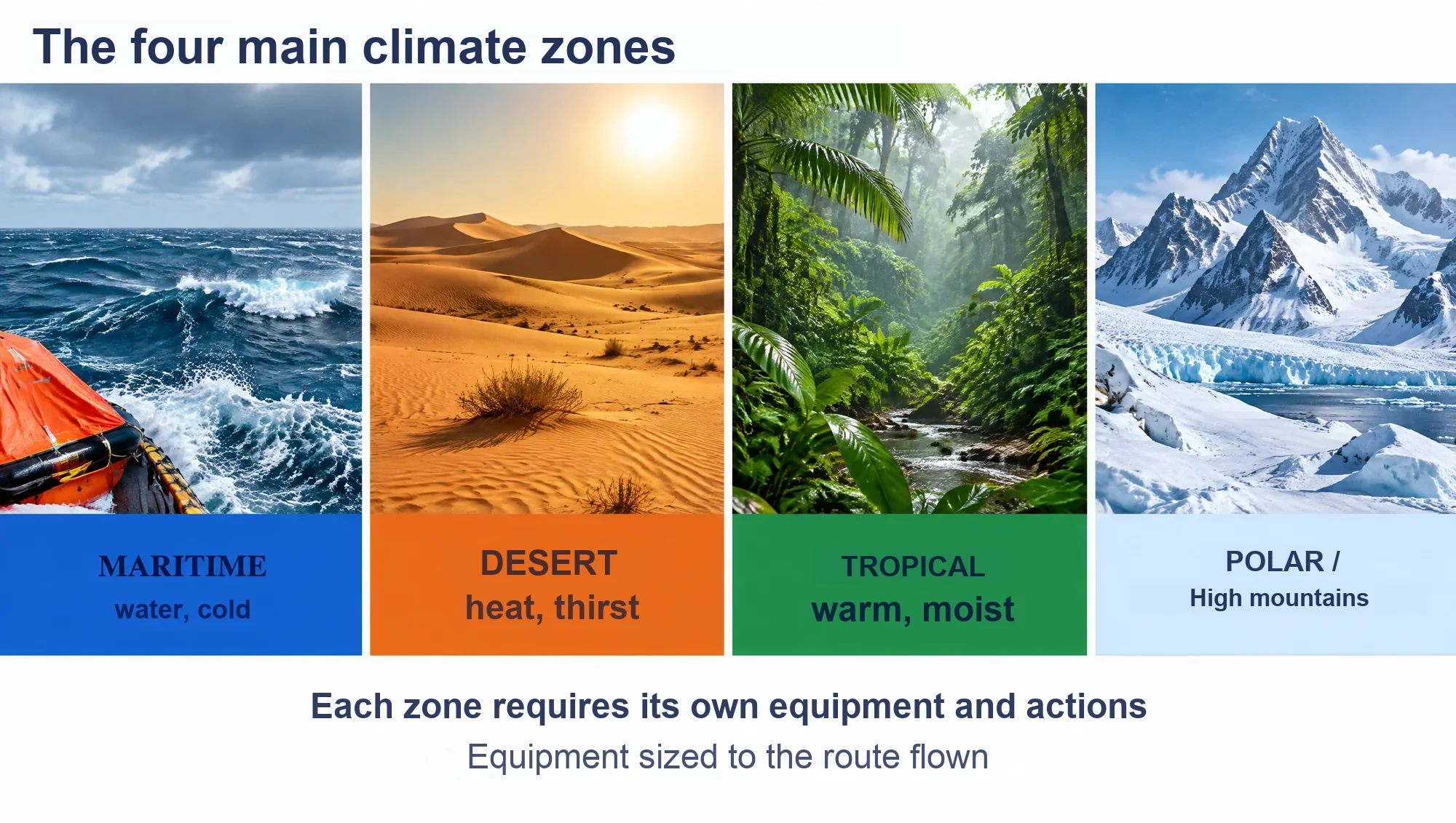
The four main climatic zones
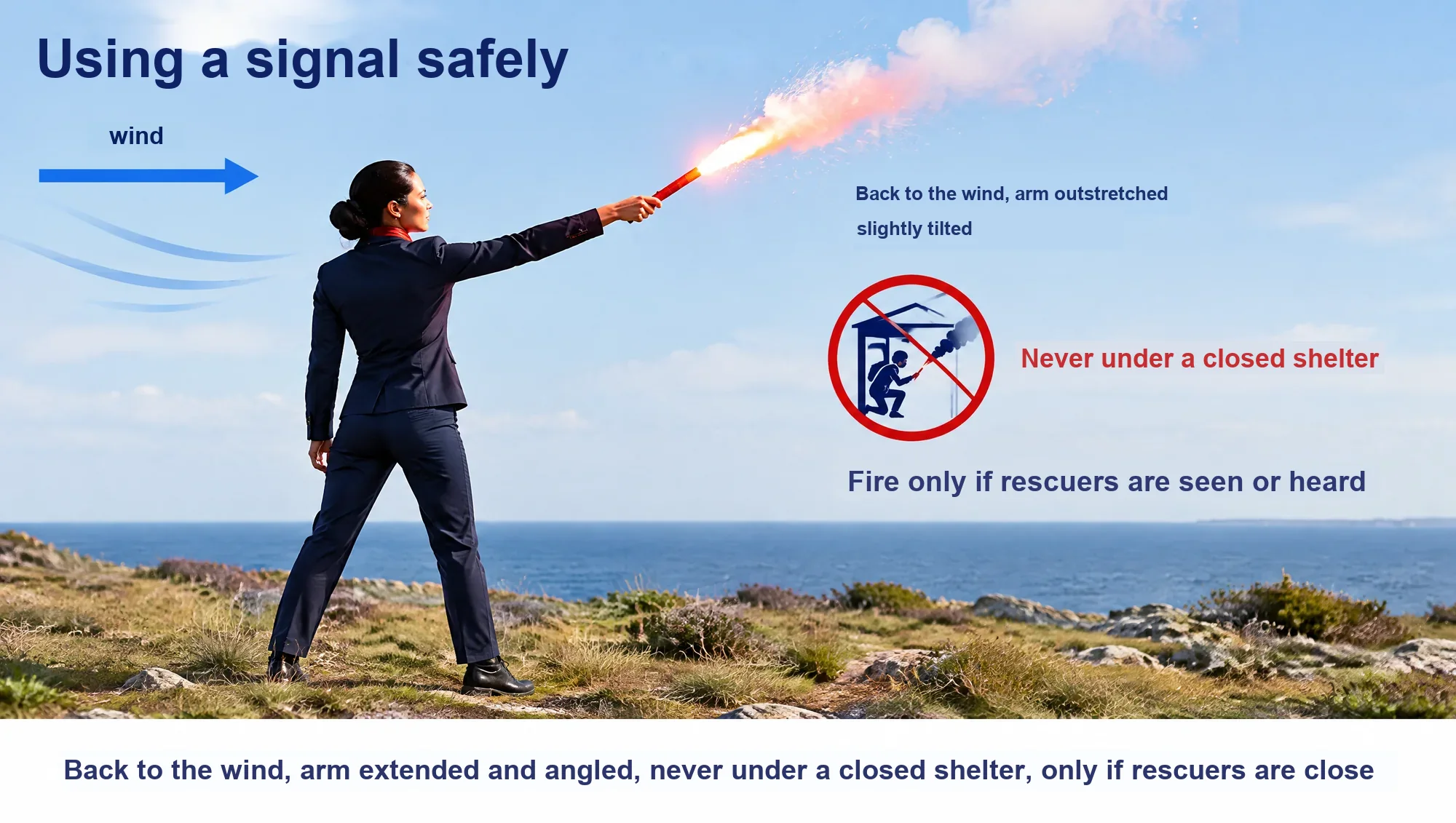
Using a signal safely
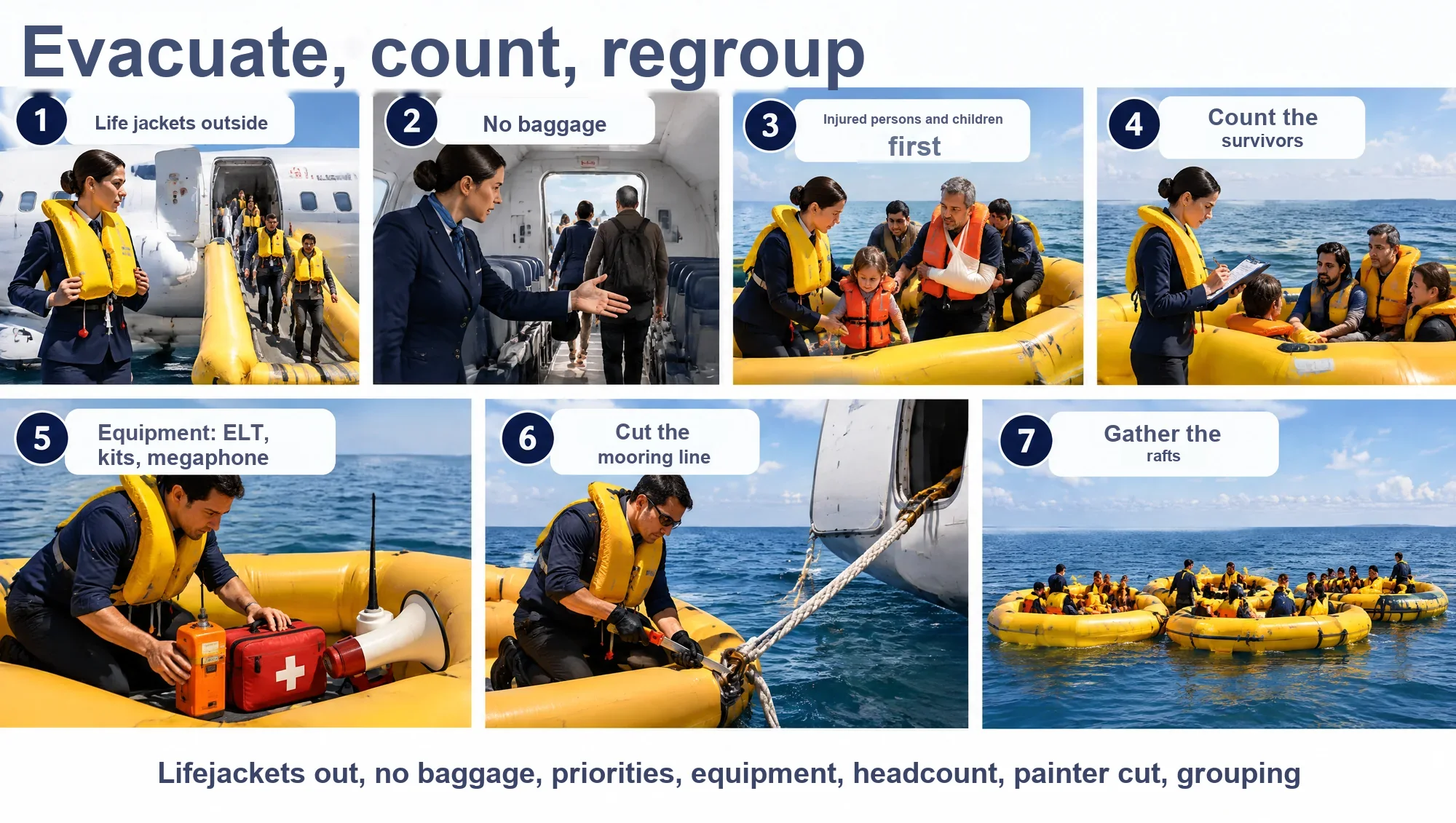
Evacuate, count, regroup
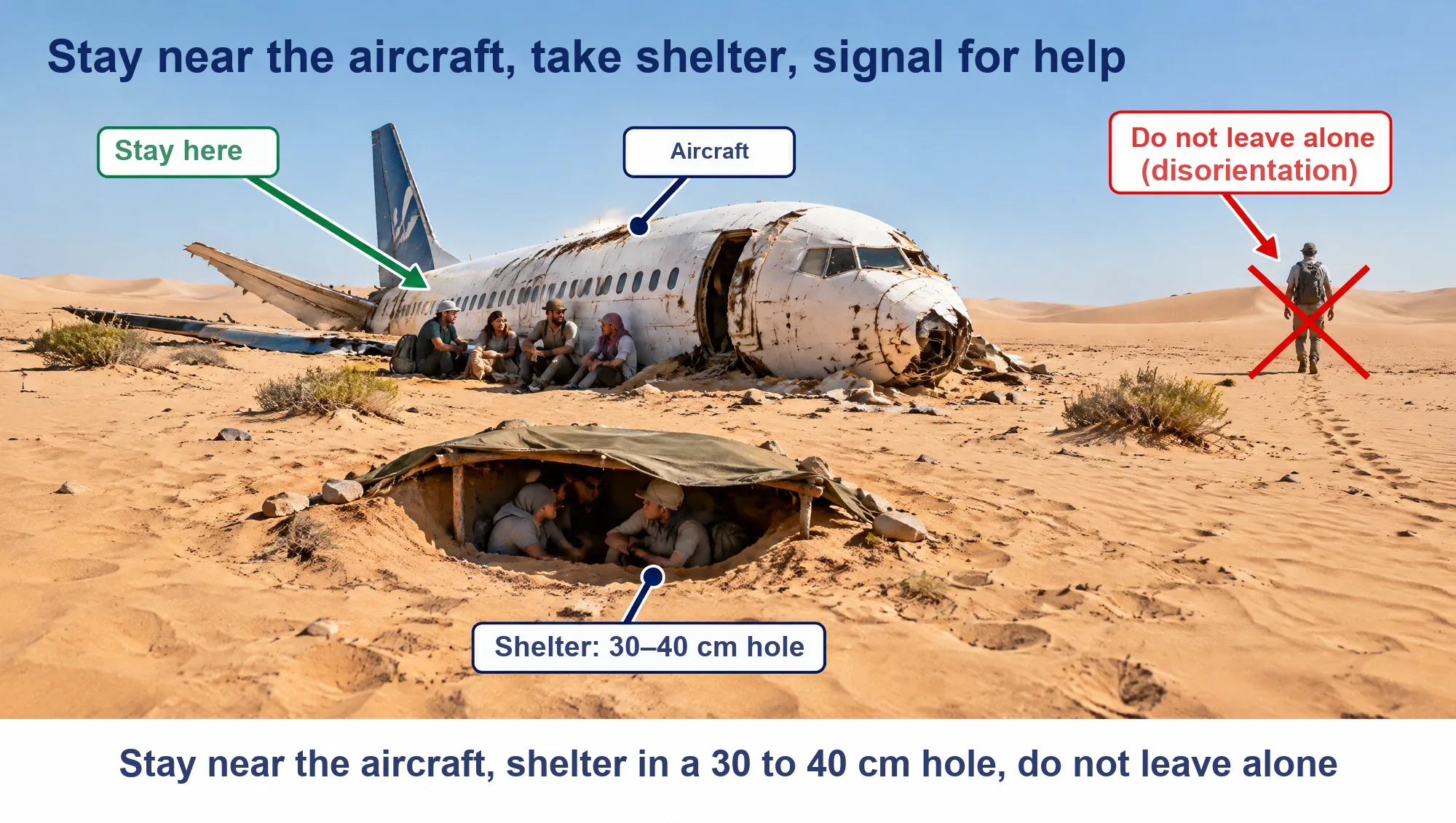
Stay near the aircraft, shelter, signal
Safety positions
This module describes the brace positions passengers are told to adopt: upright facing forward, upright facing aft, crouched (tucked), and their adaptations for pregnant women and passengers travelling with a baby. The course moves from the common principles to special cases, with a diagram for each position.
6 chapters · 23 sheets · 54 questions
The Safety Positions module →- 1.Common principles
- 2.Upright position facing forward
- 3.Upright position facing aft
- 4.The pregnant woman
- 5.The crouched position
- 6.Bent-forward brace position with an infant
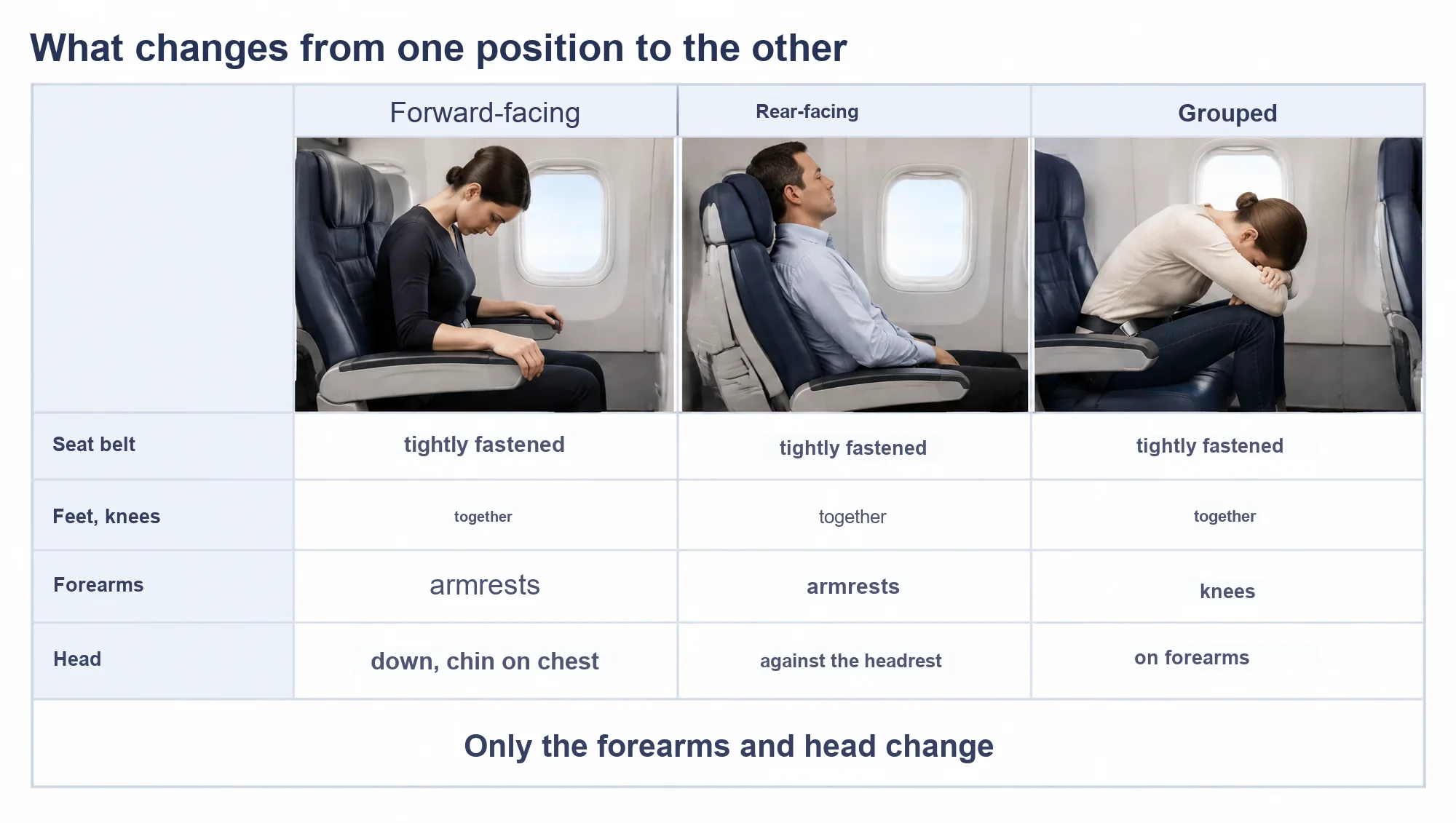
What changes from one position to another
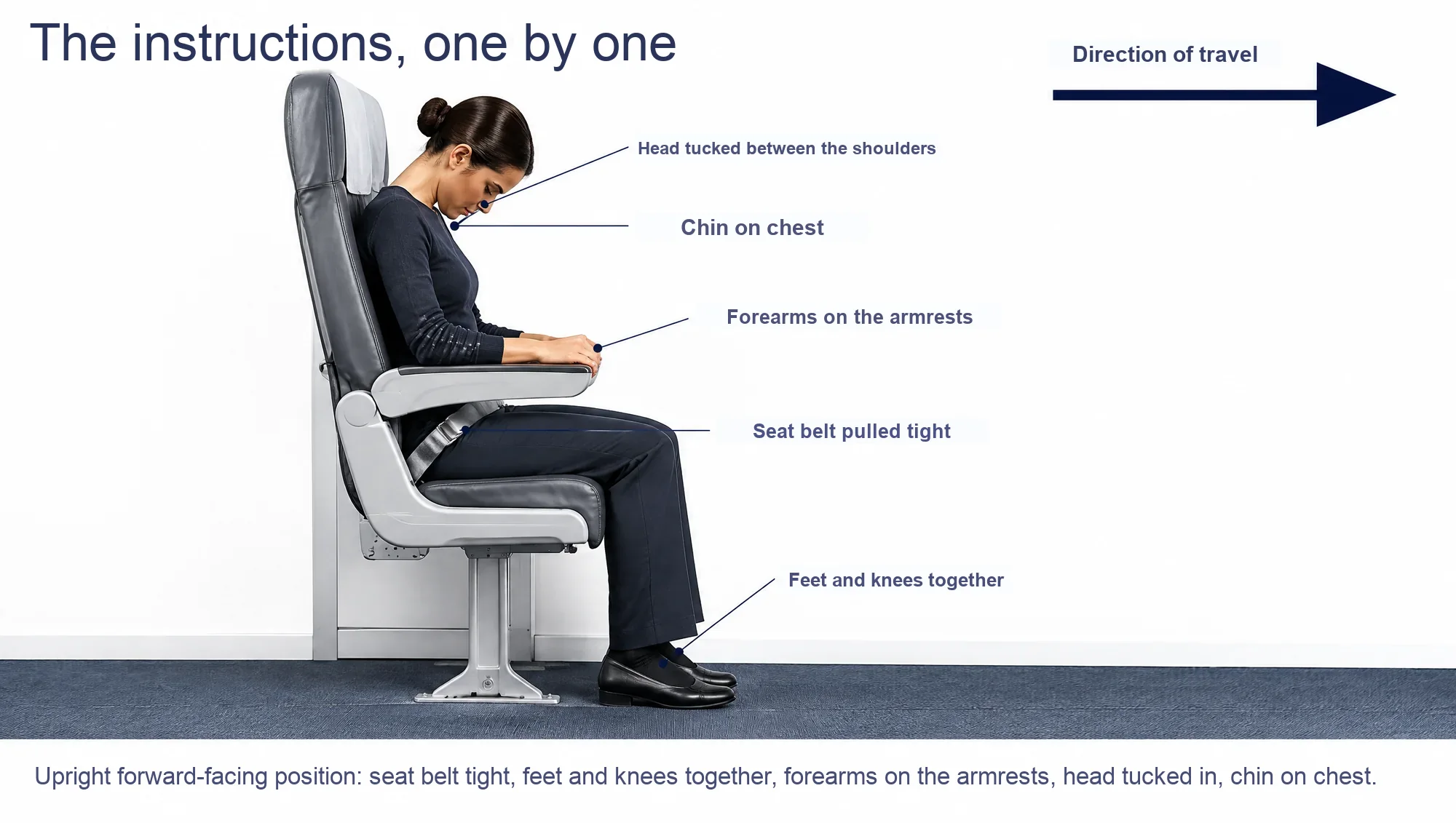
The instructions, one by one
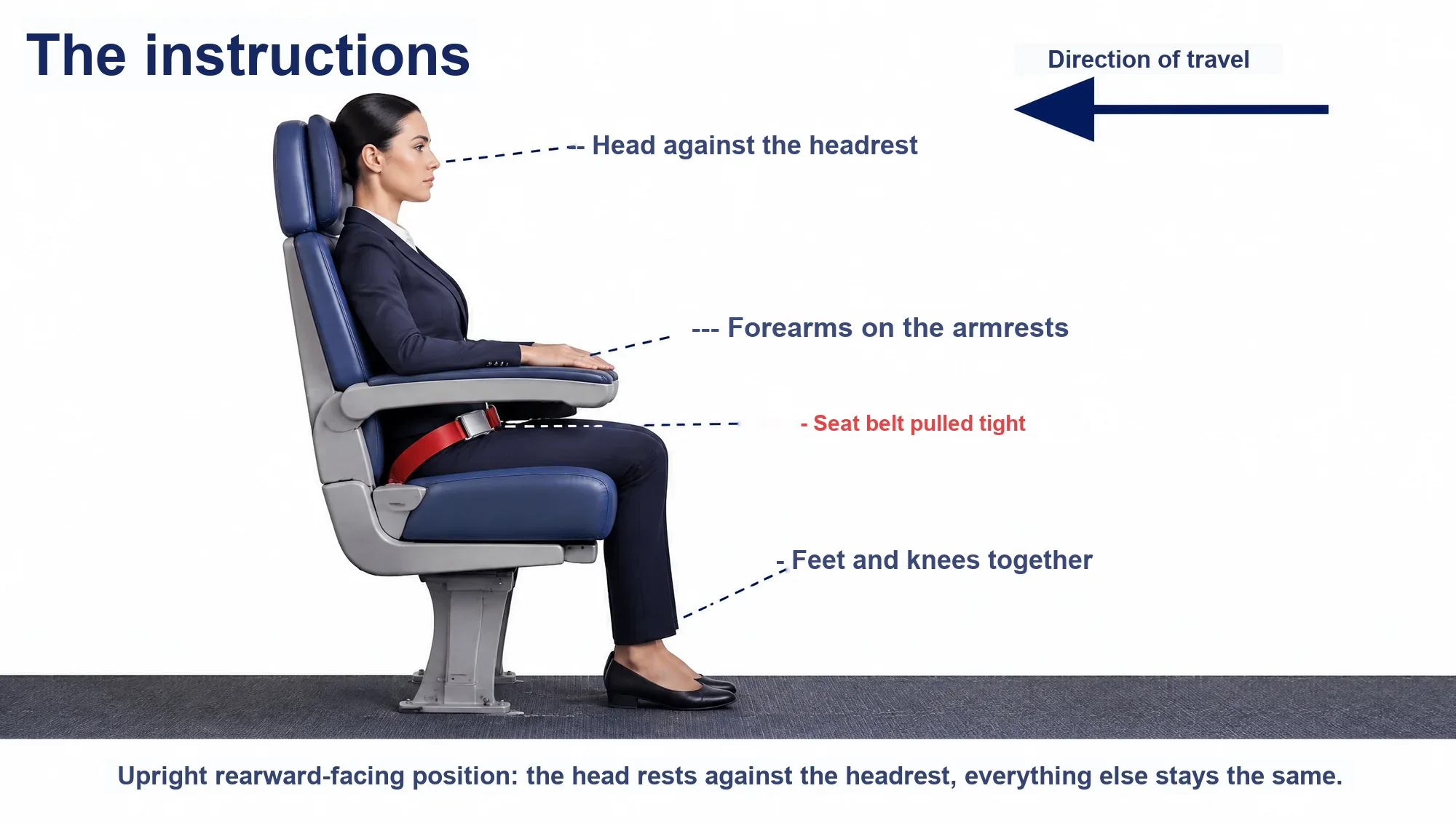
The instructions
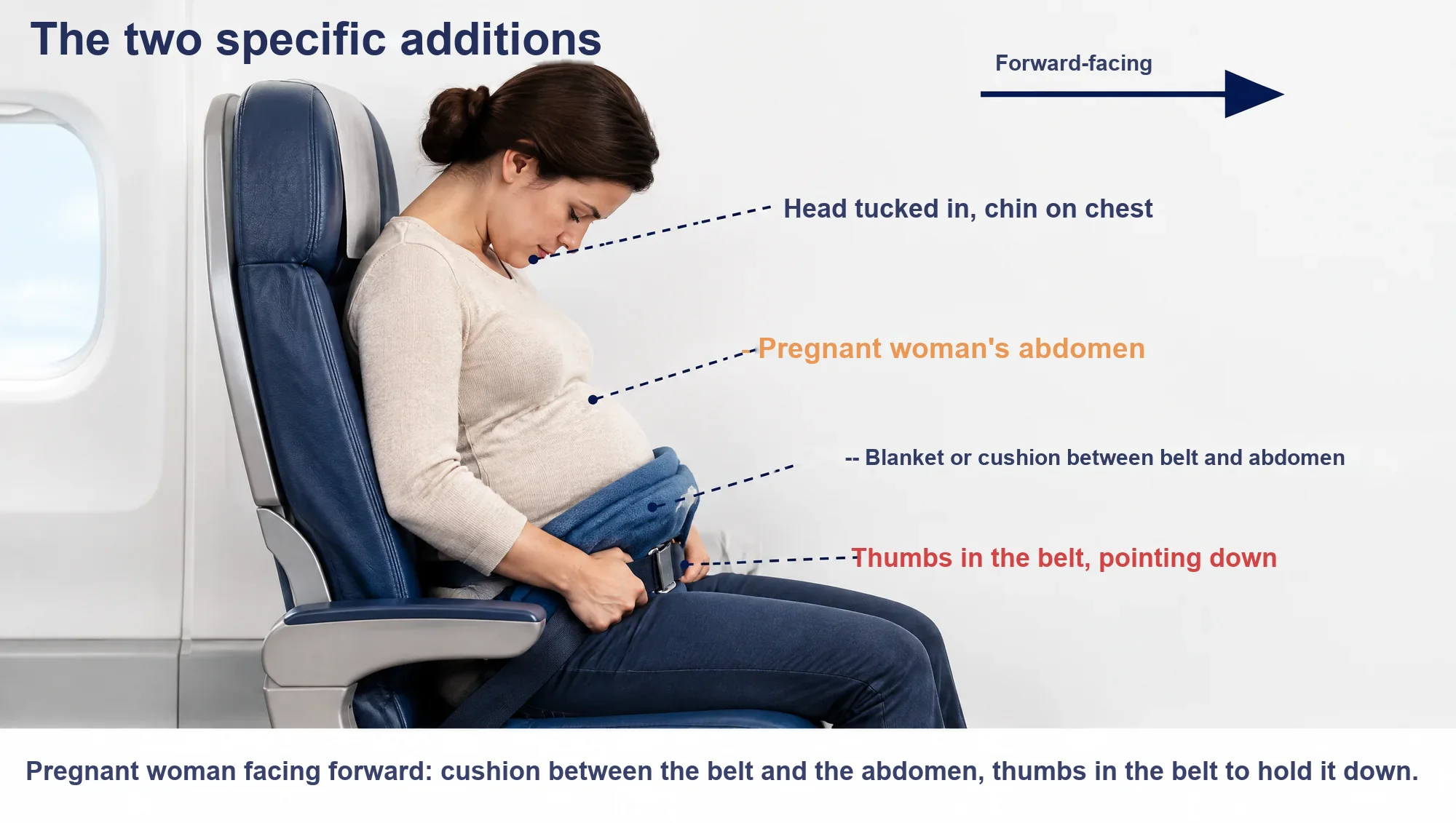
The two specific additions

Le CCA, cours complet
Les 10 modules en 522 pages : toutes les fiches avec leurs schémas, un « Teste-toi » à chaque chapitre et un examen blanc de 70 questions. À lire en ligne ou en PDF.
Découvrir le livre · 19,99 €Frequently asked questions
Are the CCA courses free?
The first chapter of every module is open, with no account. The remaining chapters, with their sheets, their key points and their exam traps, are for subscribers.
What is in a course sheet?
A short explanation and an illustration, the key point to remember, the classic trap on that point, and a link to the bank questions that cover it.
Do these courses replace approved training?
No. They complement the training of a DGAC-approved centre and the official manual: they are revision sheets written from the exam syllabus and the regulation in force.