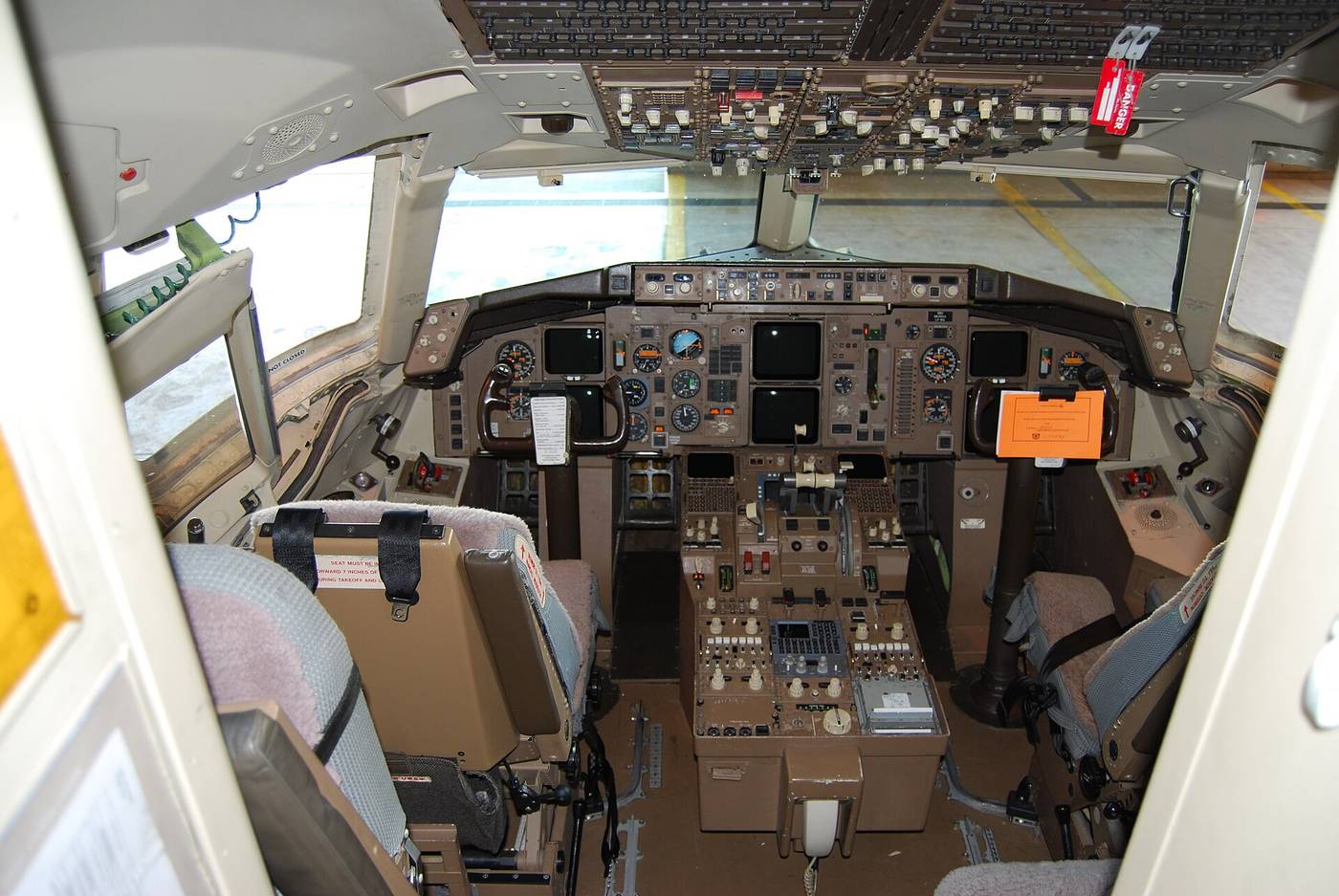
Photo: Bill Abbott · CC BY-SA 2.0 · Wikimedia Commons
Module C03
CCA practice questions: Human Factors
319 exam-style questions on the Human Factors module of the CCA, grouped into 17 topics. Every question is corrected with an explanation, so you see what you missed and not just your score.
What this module covers
- Additional questions (November 2026)43
- Stress and stress management24
- Fatigue and alertness23
- The individual as a crew member17
- Communication14
- Leadership11
- Case studies11
- Human performance and limitations10
- Human error and reliability10
- The SHELL model9
- CRM principles and objectives8
- Decision-making8
- Human factors in aviation7
- TEM and the Swiss Cheese Model7
- Perception and the senses6
- Human error FAQ6
- Memory in operations5
Number of questions per topic.
Free quiz: 20 corrected questions →Free mock exam (70 questions) →
Test yourself: 5 questions from this module
Questions taken from the question bank, with the answer and explanation to reveal.
Question 1
In the Kegworth accident (1989), which error linked to a lack of assertiveness occurred?
- ABad weather was ignored
- BA flight plan error
- CPassengers reported flames on the left engine, but the crew shut down the right engine without the information being passed on
- DAn undetected fuel shortage
See the answer
Answer C: Passengers reported flames on the left engine, but the crew shut down the right engine without the information being passed on
At Kegworth (1989), passengers reported flames on the left engine while the crew were shutting down the right engine; this information was not passed on, leading to the accident.
Question 2
According to “rhythm theory”, what are the three rhythms around which human life is organised?
- AMorning, midday, evening
- BPhysiological, work, leisure
- CSleep, wakefulness, nap
- DCircadian, ultradian, infradian
See the answer
Answer B: Physiological, work, leisure
The three rhythms are the (basic) physiological rhythm, the work rhythm and the leisure rhythm.
Question 3
In the SHELL model, what does the central “Liveware” refer to?
- AThe human operator at work
- BThe service equipment
- CThe pressurised environment
- DThe written procedures
See the answer
Answer A: The human operator at work
The central Liveware represents the human operator at work, at the centre of the SHELL model and its interactions.
Question 4
According to the course, at what time of day is physical (sensorimotor) performance described as optimal?
- AEarly morning (06:00-08:00)
- BLate afternoon (18:00-20:00)
- CMiddle of the night (02:00-04:00)
- DLunchtime (12:00-13:00)
See the answer
Answer B: Late afternoon (18:00-20:00)
Sensorimotor performance follows the body temperature curve: it is optimal in the late afternoon (18:00-20:00), when body temperature is at its highest, and lowest early in the morning. Purely intellectual performance, by contrast, tends to be better in the morning.
Question 5
Among the effects of stress on performance, what is meant by “fixation”?
- AA drop in alertness due to a monotonous task
- BA mental block preventing you from considering another solution
- CThe lasting memorisation of a traumatic event
- DFaster reflexes in an emergency
See the answer
Answer B: A mental block preventing you from considering another solution
Fixation is a mental block: it is impossible to go back and consider another solution. Not to be confused with tunnel vision (focusing on details or on a wrong diagnosis).
Revise all 319 questions in the Human Factors module
Questions by topic, revision sheets, flashcards and timed mock exams across the 10 modules, 3,552 questions in total, with your progress tracked module by module.
The free quizzes and mock exam are in English. The full question bank in the revision area is currently in French.
The other CCA modules
Once you hold your CCA, move on to applying: open cabin crew jobs in Europe and the airline guides.