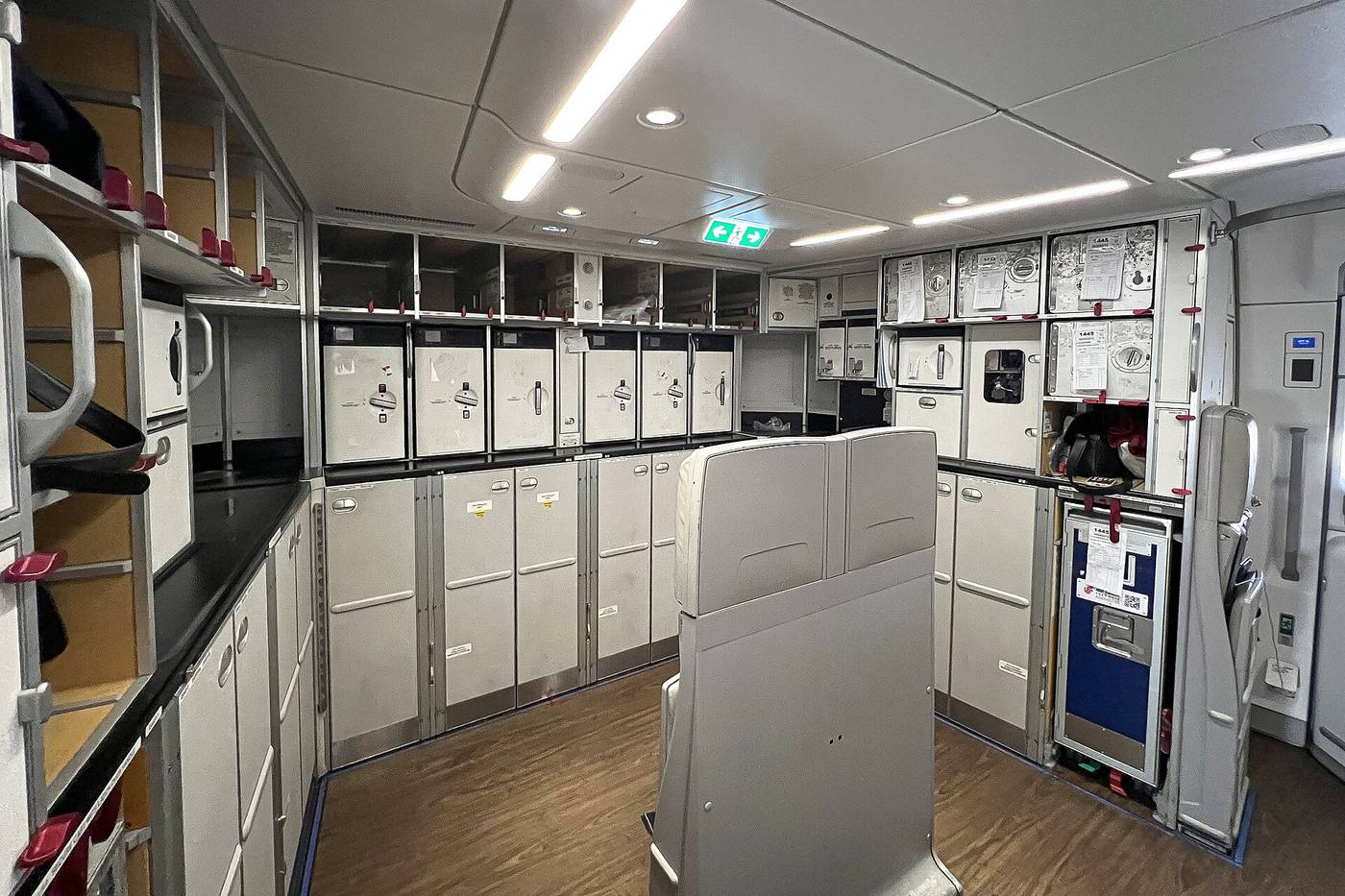
Photo: N509FZ · CC BY-SA 4.0 · Wikimedia Commons
Module C08
CCA practice questions: Fire & Smoke
312 exam-style questions on the Fire & Smoke module of the CCA, grouped into 17 topics. Every question is corrected with an explanation, so you see what you missed and not just your score.
What this module covers
- Additional questions (November 2026)43
- Extinguishing agents14
- Crash axe and crowbar12
- Fire classification11
- Using an extinguisher11
- Procedures10
- Consequences of incorrect use10
- Extinguishers9
- Informing the flight crew immediately8
- PBE8
- Practical training8
- Smoke detectors8
- Number of extinguishers7
- Locating the seat of the fire7
- Coordination6
- Causes of fire5
- Automatic extinguishers5
Number of questions per topic.
Free quiz: 20 corrected questions →Free mock exam (70 questions) →
Test yourself: 5 questions from this module
Questions taken from the question bank, with the answer and explanation to reveal.
Question 1
On which classes of fire can dry powder be used?
- AClass D only
- BClasses A, B, C
- CClass A only
- DClass F only
See the answer
Answer B: Classes A, B, C
Dry powder can be used on Class A, B and C fires (solids, liquids, gases).
Question 2
What is the role of cabin crew member No. 3 (cabin support) during a fire?
- AMoves passengers clear and reassures them, removes sources of fuel
- BStays inactive
- CFights the fire as reinforcement
- DCommunicates with the flight deck only
See the answer
Answer A: Moves passengers clear and reassures them, removes sources of fuel
Cabin crew member No. 3 (cabin support) moves passengers clear and reassures them, removes any source of fuel and prepares first aid if needed.
Question 3
What must the cabin crew member do when a smoke detector alarm goes off?
- AAsk a passenger to check
- BIgnore it if no smoke is visible from the seat
- CGo immediately to the location indicated
- DWait 5 minutes before intervening
See the answer
Answer C: Go immediately to the location indicated
The cabin crew member must go immediately to the location indicated when an alarm goes off.
Question 4
On which type of fire must water never be used?
- ADry Class A fires
- BElectrical fires and Class B fires
- CPaper fires
- DWood fires
See the answer
Answer B: Electrical fires and Class B fires
Water must never be used on electrical fires or Class B fires (e.g. fuel, solvents), because of the danger of electrical conduction or of burning liquid being thrown out; the same applies to cooking oils (Class F).
Question 5
How is the Walter Kidde water extinguisher pressurised?
- ABy removing the pin and then shaking the extinguisher vigorously
- BBy holding the trigger down for five seconds
- CBy unscrewing the nozzle a quarter of a turn
- DBy turning the handle several times clockwise
See the answer
Answer D: By turning the handle several times clockwise
Turning the handle breaks the lead-sealed wire and pierces the CO2 cartridge, which pressurises the water.
Revise all 312 questions in the Fire & Smoke module
Questions by topic, revision sheets, flashcards and timed mock exams across the 10 modules, 3,552 questions in total, with your progress tracked module by module.
The free quizzes and mock exam are in English. The full question bank in the revision area is currently in French.
The other CCA modules
Once you hold your CCA, move on to applying: open cabin crew jobs in Europe and the airline guides.