Photo: NPL FP2011 · CC BY-SA 3.0 · Wikimedia Commons
CCA revision & exam
Revising the CCA survival training module
Published on
The survival training module is often pushed into the background behind fire safety or aeromedical topics, even though it counts just as much on the exam. Between ditching, emergency evacuation and survival equipment, this module calls for careful organisation so you don't mix everything up. Here's how to structure it so you arrive feeling confident on the big day.
What the survival training module really covers
The survival training module brings together everything related to emergency situations after a forced landing or ditching. This includes ditching itself (landing on water), but also evacuation procedures on land, the use of onboard survival equipment, and the instructions to give passengers once they're out of the aircraft.
Many candidates confuse this module with general safety or fire safety, since the topics sometimes overlap. The difference lies in the context: survival training focuses on what happens once the evacuation is over, not during the in-flight emergency itself.
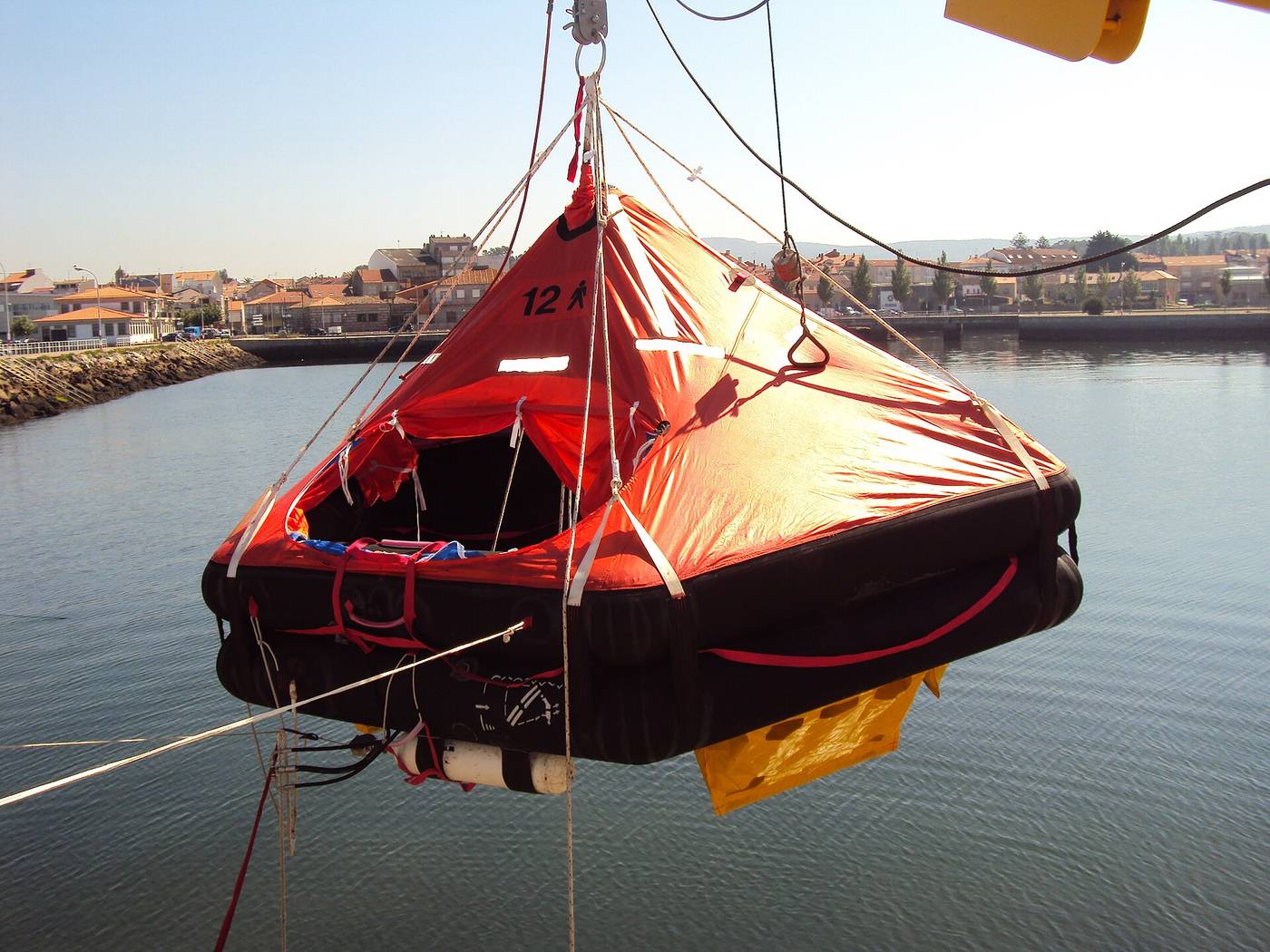
You need to know what's inside the survival equipment, such as life rafts, distress beacons, rations and signalling devices. Each type of aircraft and each flight zone can have slightly different equipment, which is why the exam focuses on general principles rather than details that are too specific to one airline.
Finally, this module also covers rules for collective behaviour after an evacuation: how to organise passengers, how to manage survival while waiting for rescue, and how to prioritise actions depending on the environment, whether on land or at sea.
Structuring your revision step by step
The best approach is to clearly separate the three main phases: before the evacuation, during the evacuation, and after the evacuation. This breakdown stops you from mixing up procedures and lets you revise block by block instead of learning everything all at once.
For the “before the evacuation” phase, focus on warning signals, standard announcements and cabin preparation. For the “during” phase, remember the postures and instructions given to passengers. For the “after” phase, that's where the bulk of the actual survival module sits: managing the group, equipment, and signalling to rescuers.
A good habit is to create a summary table with the type of environment (land, sea, remote area) in the columns and priority actions in the rows. This kind of visual aid helps you memorise the differences without mixing them up, especially since exam questions often play on exactly these nuances.
Also plan short but regular revision sessions rather than one long single session. The sheer density of technical vocabulary in this module calls for spaced repetition to keep it anchored in your memory right up to exam day.
Common mistakes to avoid on this module
The first mistake is neglecting this module because it seems to get less attention in group revision sessions than fire safety or aeromedical topics. As a result, some candidates arrive at the exam with gaps on points that are actually quite simple, such as the typical contents of survival equipment or the order of priorities after an evacuation.
Another classic mistake is confusing procedures for water environments with those for land environments. Exam questions are often worded to check whether you can adapt your reasoning to the context, rather than recite a single list that applies everywhere.
Some candidates also learn the equipment by heart without understanding its purpose, which puts them in a difficult spot as soon as a question slightly rephrases the wording. It's better to understand why a piece of equipment exists and in what situation it's used, rather than memorising a dry list.
Finally, many candidates underestimate questions about human behaviour after an evacuation, such as managing collective stress or organising roles. These aspects are tested just as much as technical knowledge.
Memorisation methods suited to this module
Summary sheets remain the basic tool, but for this module in particular, it's useful to organise them by scenario rather than by isolated theme. For example, a complete sheet covering a ditching scenario, from the warning signal through to being picked up by rescuers, helps you memorise the logical sequence of actions.
The cross questioning technique also works well: systematically ask yourself what would change if the context were different, the environment, the number of passengers, the presence of injured people. This mental exercise matches the way exam questions are actually worded much more closely.
Mnemonic devices can help you remember the order of priorities after an evacuation, but don't overuse them to the point of losing sight of the meaning behind the actions. A good mental anchor should always bring you back to the logic of the situation, not just a string of letters or words to recite.
Finally, repeating things out loud, explaining a procedure as if you were presenting it to someone else, remains one of the most effective methods for checking that you genuinely understand the subject, not just that you've read it.
Preparing calmly for the exam on this module
As the exam approaches, prioritise active revision over simply rereading your notes. Do multiple choice style exercises specifically on this module, varying the contexts so you get used to the kinds of wording that test your ability to adapt rather than your raw memory.
If you get stuck on a specific point, such as the contents of a piece of equipment or a signalling procedure, note it down separately and come back to it the next day rather than pushing through immediately. This break often helps the information stick better than immediate repetition does.
On exam day, take the time to read each question all the way through before answering, especially on this module where the context, land or sea, can sometimes change the correct answer. Reading too quickly is a common source of mistakes, even among candidates who know the theory well.
Related module
- CCA quiz Formation survie328 corrected questions
Keep reading
CCA revision & exam
Revising the CCA fire and smoke module: the method that really makes a difference
Find out how to revise the CCA fire and smoke module effectively: key concepts, common mistakes and a lasting memorisation method.
CCA revision & exam
CCA: adapting your method to each module
Every CCA module calls for a different revision method. Find out how to adapt your techniques to memorise effectively and pass the exam.
CCA revision & exam
Revising general knowledge for the CCA
Find out how to revise the general knowledge module of the CCA effectively, covering regulations, aircraft and the organisation of work on board.