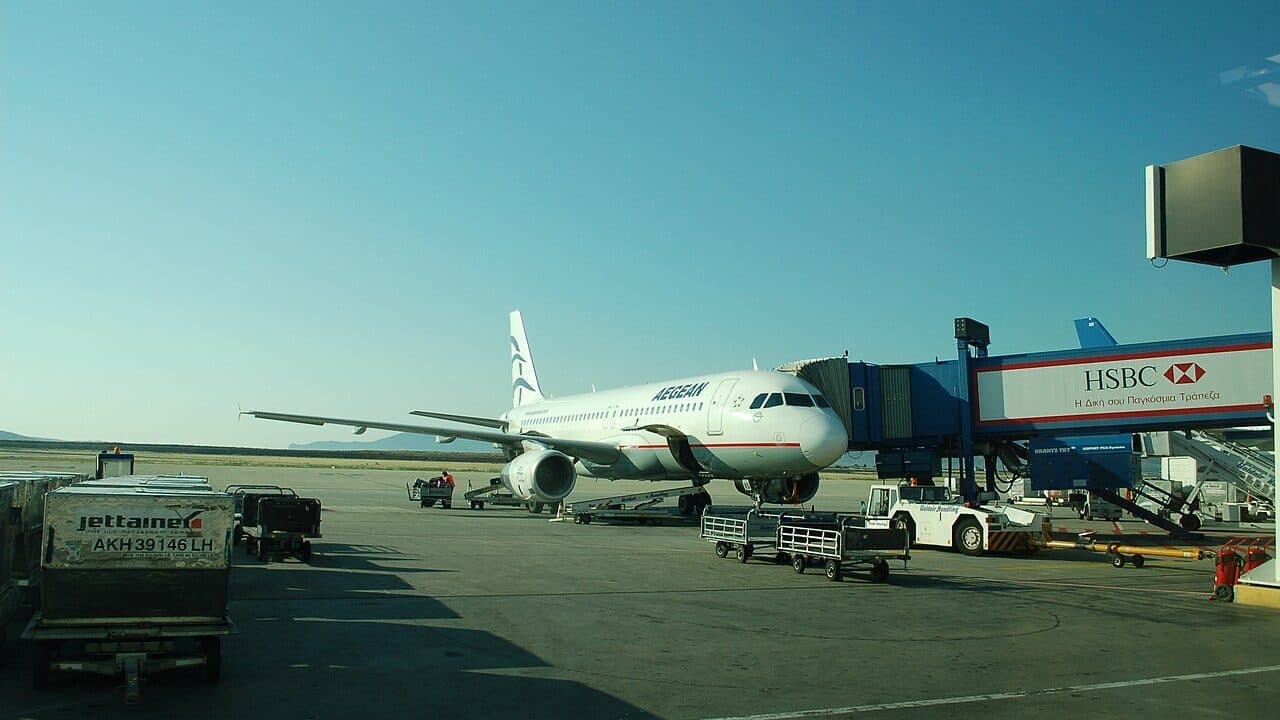
Photo: Ferengi · CC BY-SA 3.0 · Wikimedia Commons
Cabin crew career
Which airline should you choose when applying as cabin crew
Published on
Even before thinking about the CCA or the interview, one choice shapes your entire job search: which type of airline to target with your applications. Low-cost, legacy, Gulf or charter carriers don't offer the same day-to-day life, nor the same working conditions. Here's how to compare these models so you can apply with full knowledge of what you're getting into.
Why this choice deserves thought before you apply
Many candidates send their CV all over the place without distinguishing between airlines' business models. Yet a low-cost carrier, a legacy airline and a Gulf carrier recruit according to very different logics, with expectations and lifestyles that have nothing in common. Understanding these differences beforehand helps you avoid wasting time on poorly targeted applications, or worse, accepting a job that doesn't actually match what you're looking for.
This choice isn't just about salary or prestige. It affects your personal organisation, your social life, your relationship with mobility, and even your long-term health. A candidate who values geographic stability won't make the same choice as someone drawn to long-haul flights and discovering new destinations. Asking yourself these questions before applying helps you build a more coherent career plan.
Low-cost airlines: a fast pace and multiple bases
Low-cost airlines operate on a model of short, frequent rotations, often several flights a day to European destinations. The pace is demanding, with working hours that require strong adaptability and real physical stamina. In return, onboarding is often quicker, and there are more recruitment opportunities, especially for beginners looking for a first formative experience.
This type of airline generally works with a system of bases spread across several countries. You may end up living far from your home region, or even abroad, to join your assigned base. Report times can be early in the morning, layovers are rare, and days can follow one after another without an overnight stay away from base. This environment suits those who want to get started quickly and build up experience.
Legacy airlines: stability and diverse networks
Legacy airlines, often organised around a national hub, generally offer a mix of short-haul, medium-haul and long-haul flights. This diversity allows for a certain amount of internal progression over the years, with the possibility of changing flight types depending on seniority and personal preference. Recruitment processes tend to be longer and more selective, with several stages of assessment before a final decision is made.
Stability is one of the arguments candidates often put forward when aiming for this type of structure. Rosters, while variable, follow long-established collective agreement rules, and working conditions benefit from a well-established regulatory framework. On the other hand, getting into these airlines can be more competitive, with a limited number of positions against a large volume of applications at each recruitment campaign.
Gulf airlines: long-haul flying and expatriation
The major airlines based in the Gulf operate on a very different model, centred on long-haul flying and a single base abroad. Applying to this type of airline means full expatriation, with a change of lifestyle, culture, and sometimes working language in everyday life. Crews there are often multicultural, which requires real social adaptability on top of technical skills.
This model particularly appeals to candidates seeking discovery and international mobility, ready to settle far from France for the long term. Rotations are longer, with layovers abroad that shape day-to-day life very differently from a short-haul flight in Europe. The conditions on offer, particularly regarding accommodation and expatriation benefits, vary according to each airline's internal policies and are worth checking carefully before signing.
Charter and seasonal airlines: a specific way in
Charter airlines, often linked to tourism and seasonal flights, offer a different type of contract. Activity is concentrated in certain periods of the year, with peaks during the summer or winter high season depending on the destinations served. This format suits candidates looking for a one-off experience or a supplementary activity, without necessarily aiming for a long-term commitment to this type of structure.
Contracts offered are sometimes seasonal or fixed-term, which means more job insecurity than with other models. That said, it remains an interesting way in to build up flight hours and strengthen your experience before aiming for a more stable airline. It's worth reading the contractual terms carefully before committing, particularly regarding duration, possible renewal and the terms for ending the contract.
How to guide your choice based on your profile
To decide where to apply first, start by clarifying your personal priorities: geographic stability, international discovery, working pace, or long-term career prospects. A candidate who wants to stay close to family won't direct their applications the same way as someone ready to relocate abroad without constraints. This initial filter helps you avoid spreading your energy across applications that don't match your life plans.
Don't hesitate to apply to several types of airlines in parallel, especially early in your career. A first experience with a low-cost or charter airline can be a solid springboard towards a legacy or international carrier a few years down the line. The cabin crew profession allows precisely this kind of mobility between models, as long as you understand from the start what each environment actually involves on a daily basis.
Ready to apply
Open cabin crew jobs in Europecollected every morning from the airlines
Requirements and selection steps by airline: Air France, Transavia France, easyJet, Ryanair, Wizz Air.
Keep reading
Cabin crew career
Image and physical requirements in the cabin crew profession
Height, tattoos, uniform, posture: discover what the image and physical criteria required to become cabin crew really involve.
Cabin crew career
Seasonal cabin crew: working summers without a permanent contract
Seasonal cabin crew: understand this status, its advantages and its limits, and learn how to use it to build a real career in aviation.
Cabin crew career
Cabin Crew CV and Cover Letter: Applying for the Job
Find out how to build an effective cabin crew CV and cover letter to land an interview with airlines.