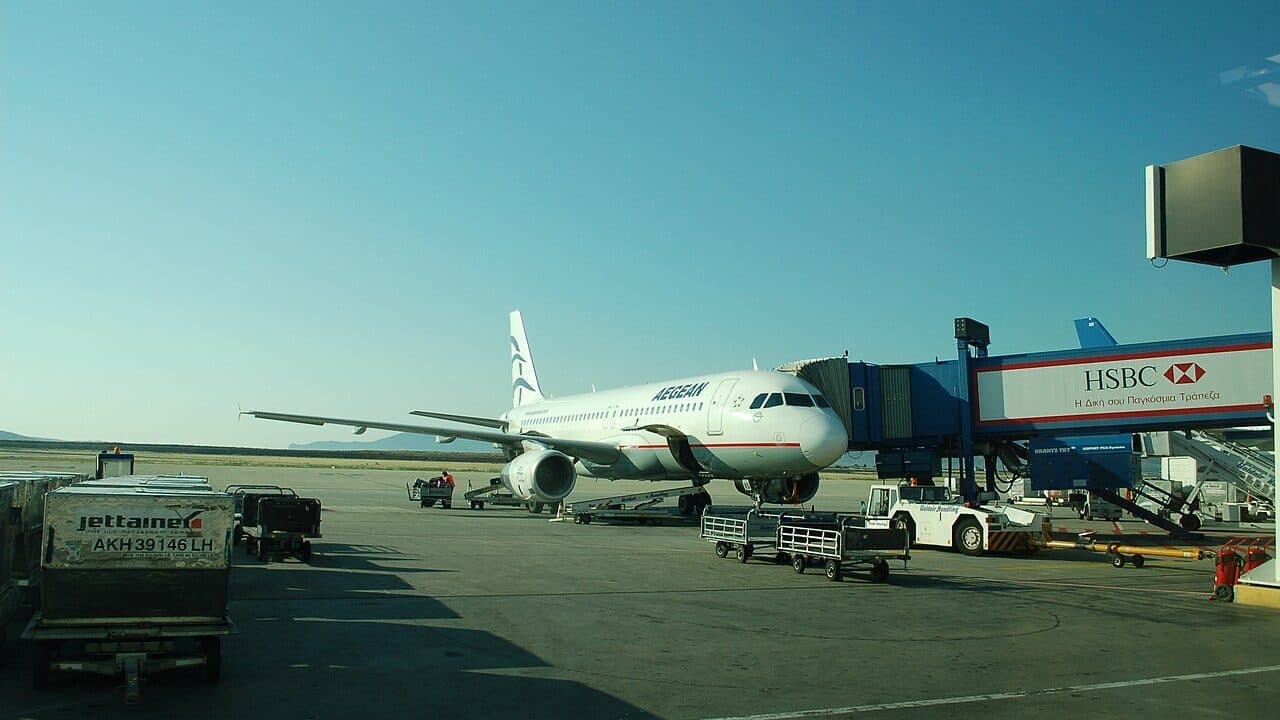
Photo: Ferengi · CC BY-SA 3.0 · Wikimedia Commons
Cabin crew career
Cabin Crew Recruitment: Key Steps by Airline Type
Published on
Cabin crew recruitment follows a common logic across all airlines, but each one adds its own variations. Understanding these steps before applying means you can arrive prepared for every session, without being caught off guard by an unfamiliar format.
A common foundation across all airlines
Whatever airline you're targeting, cabin crew recruitment always starts with an application screening. Your CV and cover letter need to match precisely the criteria listed in the job ad: height, minimum age, English level, mobility, availability. An incomplete or poorly tailored application is often rejected before it's even read in detail, no matter how strong the candidate behind it might be.
Next comes a group selection stage, known as an “assessment day” or recruitment day depending on the airline. It brings together several dozen candidates for group exercises, role-play scenarios and sometimes written tests. This phase is designed to observe behavior in interaction rather than isolated answers to questions.
The individual interview usually comes afterward, once the number of candidates has been narrowed down. It covers your background, motivation, understanding of the job and sometimes simple technical questions. Finally, a medical examination and administrative checks come before the contract is signed, often conditional on obtaining the CCA (Cabin Crew Attestation) and completing initial training with the airline.
Legacy carriers and traditional networks
Legacy carriers, built around long-haul and short-haul networks, generally run recruitment sessions that are less frequent but more formalized. The process can stretch over several weeks, with multiple exchanges between candidates and recruitment teams. The reputation of these airlines attracts a large number of applications, which makes the initial screening particularly strict on basic criteria.
The airline's long history also shows in how formalized its procedures are: every step is documented, evaluation criteria are standardized, and recruiters often rely on precise scorecards rather than a general impression. This rigor can reassure some candidates, who know exactly what to expect at each stage of the process.
Internal mobility is also more structured here, with opportunities to move into purser roles or cross-functional positions after a few years. This clearly mapped career path is often a strong selling point for candidates seeking long-term stability rather than a one-off experience.
Low-cost airlines: speed and volume
Low-cost airlines operate on a different recruitment rhythm, often faster and more frequent. Sessions are organized regularly in various cities, sometimes with a decision given the same day for successful candidates. This speed doesn't mean a lower standard, though: selection remains strict on the fundamentals, even if the format is more condensed.
The volume of recruitment partly explains this approach. These airlines regularly open new bases or reinforce their existing crews, creating a constant need for new talent. Group exercises often play a central role here, as they allow a large number of candidates to be assessed quickly against comparable criteria.
The work pace that follows hiring generally reflects this same volume logic: short rotations, frequent stopovers, a sustained tempo. A candidate who understands this reality before applying approaches the interview with more realistic expectations, which comes through in the quality of their answers.
Gulf carriers: a distinctive format
Airlines based in the Gulf often organize their recruitment through open days, sometimes held directly in France or other European countries. This first stage allows candidates to be preselected before being invited, in a second round, to more advanced stages that can include several consecutive interviews on the same day.
The international dimension of these airlines shows up in the process itself: candidates come from many different countries, and recruiters assess cultural adaptability just as closely as technical skills. English proficiency is scrutinized with particular attention, as it shapes the whole of professional life on location, far beyond the scope of the flight itself.
The contract offered generally includes elements specific to this type of posting, such as housing or certain local tax conditions. These aspects, which vary by airline and by country, are worth understanding fully before signing, as they shape much of daily life once you're there.
Choosing your sessions wisely to maximize your chances
Given this diversity of formats, applying everywhere without distinction isn't necessarily the best strategy. Researching each airline's specific process in advance makes it possible to arrive at every stage with tailored preparation, rather than applying the same method to processes that follow different logics.
It's also worth taking your own availability into account. Some sessions take place over a single day, while others stretch over several weeks with successive call-backs. Planning ahead for this helps you avoid having to decline an important stage due to lack of availability, or showing up rushed without having been able to prepare properly or get enough rest.
Finally, keeping a record of each application helps you improve from one session to the next. Noting down the questions asked, the exercises given and the feedback received makes it possible to identify what to work on before your next attempt, whichever airline you're applying to.
Ready to apply
Open cabin crew jobs in Europecollected every morning from the airlines
Requirements and selection steps by airline: Air France, Transavia France, easyJet, Ryanair, Wizz Air.
Keep reading
Cabin crew career
Changing Base as Cabin Crew: The Guide
Requesting a base change as cabin crew: criteria, timelines, and the impact on your career and personal life. Everything you need to know before applying.
Cabin crew career
Cabin crew on standby: how it works
Standby duty shapes the daily life of many cabin crew members. Discover how it actually works, its constraints and how to approach it with peace of mind.
Cabin crew career
Charter flights for cabin crew: what makes the job different
Charter flights in cabin crew careers: passengers, destinations, work pace and contracts. What really sets this segment apart from scheduled airlines.