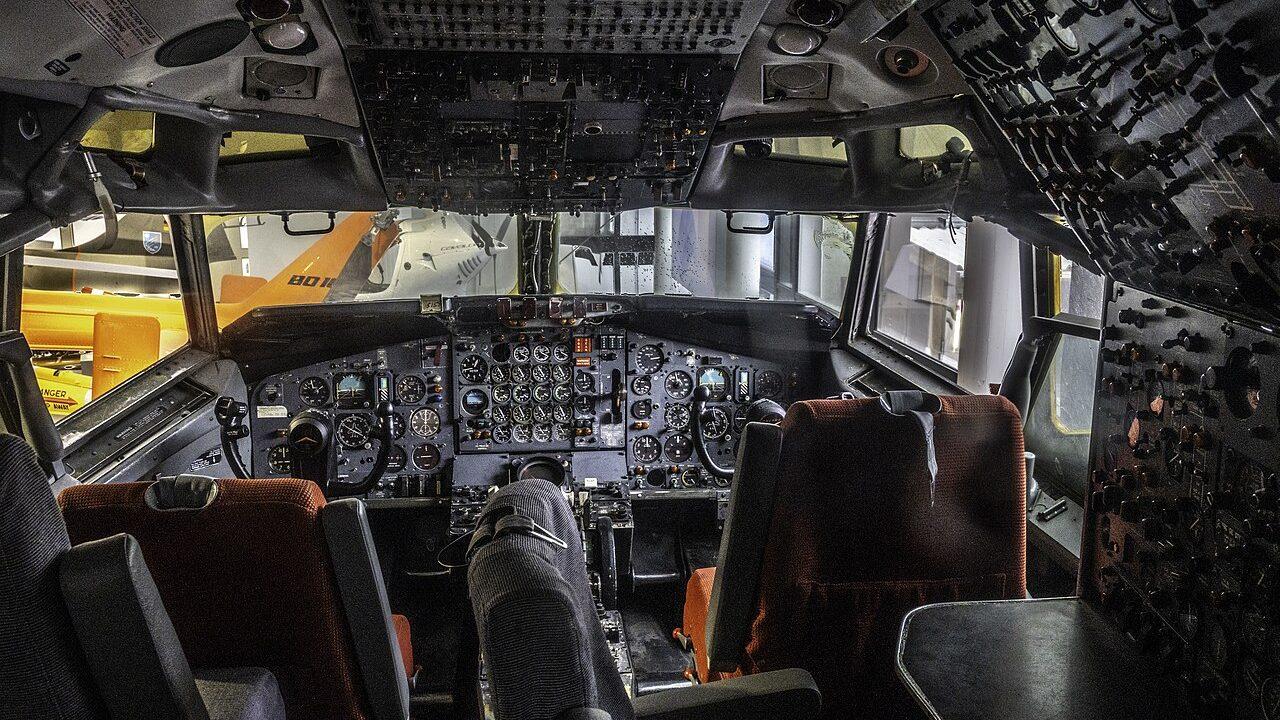
Photo: Wilfredor · CC0 · Wikimedia Commons
CCA revision & exam
ICAO Phonetic Alphabet for the CCA: How to Learn It
Published on
The ICAO phonetic alphabet is one of the basics that every CCA candidate must master, yet many people recite it mechanically without ever truly anchoring it in memory. The result: a memory blank right in the middle of the exam, or confusion between two letters that sound alike. Here’s how to learn it for good, by understanding why it exists and how it is actually used in the cabin.
Why this alphabet exists and why it matters for the CCA
The ICAO phonetic alphabet isn’t some aviation quirk: it was designed so that every letter remains identifiable even under poor radio conditions, with background noise, a foreign accent or a low quality connection. Each word chosen, Alpha, Bravo, Charlie and so on, was selected because it is pronounced distinctly and is not easily confused with another, even if partially cut off.
In the CCA, this alphabet fits directly into the aeronautical communication module. It is used to spell out a name, a code, an equipment reference or safety information without any possible ambiguity. Cabin crew who hesitate or improvise on a letter in a real situation can waste precious time, or even create a misunderstanding during an exchange with the flight deck or another crew member.
Mistaking it for a simple rote memorisation exercise is a common error. Examiners expect fluent recall, but above all correct use in simulated situations, for example spelling out a gate code or a seat number. It’s this practical application that sets apart a candidate who has truly internalised the alphabet from one who only recited it the night before the exam.
The pitfalls that cost points
The first classic mistake is mixing up the ICAO alphabet with rough approximations learnt elsewhere, sometimes from films or hazy memories from another context. Some candidates invent words that sound phonetically close but are incorrect, which can cost points if the instructions call for precise recall. It’s best to go back to the official list taught in class and never improvise a variant, even if it seems logical.
The second mistake concerns letters that sound alike once the alphabet has been learnt too quickly: M and N, B and D, or similar sounding words like Mike and November can get muddled under stress. Training too fast gives a false sense of mastery that collapses as soon as a time constraint or noise is introduced, which are exactly the conditions this alphabet is meant to be useful in.
Lastly, many candidates learn the alphabet in isolation, as a list to recite, without ever practising it in sentences or typical scenarios. Yet on exam day, questions almost never ask you to recite the list from start to finish: they set up a situation where you need to spell out a specific word, which means going from a letter to its matching word and back again, quickly.
A method for learning it without just reciting it
The first step is to understand the logic behind the words before memorising them mechanically. Many people attach a simple mental image to each word: Golf evokes the sport, Hotel a building, Zulu a distinctive sound. These images act as anchors and make recall faster than pure repetition, especially under pressure. The goal isn’t to recite a poem, but to be able to instantly link a letter to its word and vice versa.
Next, practise in both directions: starting from a letter, find the word, but also starting from a word you hear, find the letter. This cross practice avoids the trap of automatic recitation, where you can only recite in the order you learned it. Do it out loud, varying the order, picking letters at random, until the answer comes without any conscious effort.
Third step: introduce a time and noise constraint to get closer to real cabin conditions. Ask someone to spell a word out quickly for you, or record yourself and play it back sped up. This kind of practice reinforces memorisation far better than repeated silent reading, and it prepares you directly for the simulated scenarios in the theory exam as well as the practical tests.
Finally, systematically link this alphabet to concrete situations from the job: spelling out a passenger’s name over the PA, confirming a gate code, passing on a safety equipment reference. These examples anchor the alphabet in its real use rather than as an abstract list, which makes both long term memorisation and understanding of exam style questions about aeronautical communication much easier.
Connecting it to the other communication modules
The phonetic alphabet never stands alone in the CCA syllabus: it works together with cabin communication procedures, exchanges with the flight deck and security instructions. A candidate who masters the alphabet but doesn’t know the context in which to use it is missing part of the point. Exam style questions often pair a situation, for example an alert or an identity confirmation, with the need to clearly spell out a piece of information.
That’s why revising this point in isolation, without linking it to the rest of the aeronautical communication module, limits your overall understanding. Working on both together, using illustrated lessons that show real simulated situations, helps you fix both notions firmly in place and stop confusing them on exam day. Regular practice with multiple choice quizzes dedicated to this module also helps you quickly spot which letters or situations are still shaky.
The site offers a free quiz per module on the CCA MCQ page, a good way to concretely test your command of the alphabet in a range of simulated situations rather than simply reciting it in your head. Regularly taking the free 70 question mock exam then helps you check that this point, often seen as minor, isn’t making you lose points needlessly on the big day.
And once you’re working, why it still matters
Earning the CCA isn’t an end in itself: the ICAO phonetic alphabet remains a tool used daily once you’re with an airline, well beyond the exam. It also regularly comes up at interviews or recruitment days, where some airlines assess candidates’ clarity of communication. If you’re preparing for an interview or an open day, like those organised by certain airlines, fluent command of this alphabet immediately shows professionalism and reassures recruiters about your ability to fit in quickly on board.
To spot opportunities where this skill will come in directly useful, regularly check the cabin crew job listings published every day on the site, as well as the dedicated airline profiles, which sometimes detail the specific expectations of each selection process. A solid foundation in aeronautical communication, phonetic alphabet included, sets you apart from the very first stages of recruitment.
Keep reading
CCA revision & exam
CCA vs Airline Training: What’s the Difference?
CCA or airline training: what each one covers, in what order, and why the certificate alone isn’t enough to fly. The full breakdown.
CCA revision & exam
Fire Classes and Extinguishing Agents for the CCA
Fire classes and extinguishing agents: the table you need to know by heart for the CCA fire and smoke module, with memory cues to help you avoid common mistakes.
CCA revision & exam
CCA Validity: Maintaining and Refreshing Your Certification
The CCA isn't valid for life: find out what the regulations say about maintaining it and refreshing it after a break in activity.